Improving transport conditions for agricultural workers in Morocco
An Oxfam Sweden and Ethical Trade Sweden programme
Programme:
mitigating transport and gender-related risks for agricultural workers
Oxfam Sweden, together with Ethical Trade Sweden and Oxfam’s local partners, is proud to work together on the Safe Transport Programme (STP) – a new collaborative initiative aimed at strengthening worker-centred and gender-responsive Human Rights Due Diligence (HRDD) in agricultural supply chains. The programme is owned by Ethical Trade Sweden and implemented by Oxfam Sweden and its local partners.
Country
⚑ Morocco
Programme time
⧗ January 2026 – May 2027
Key focus areas
⭗ Human Rights Due Diligence
⭗ Workers’ rights
⭗ Women’s rights
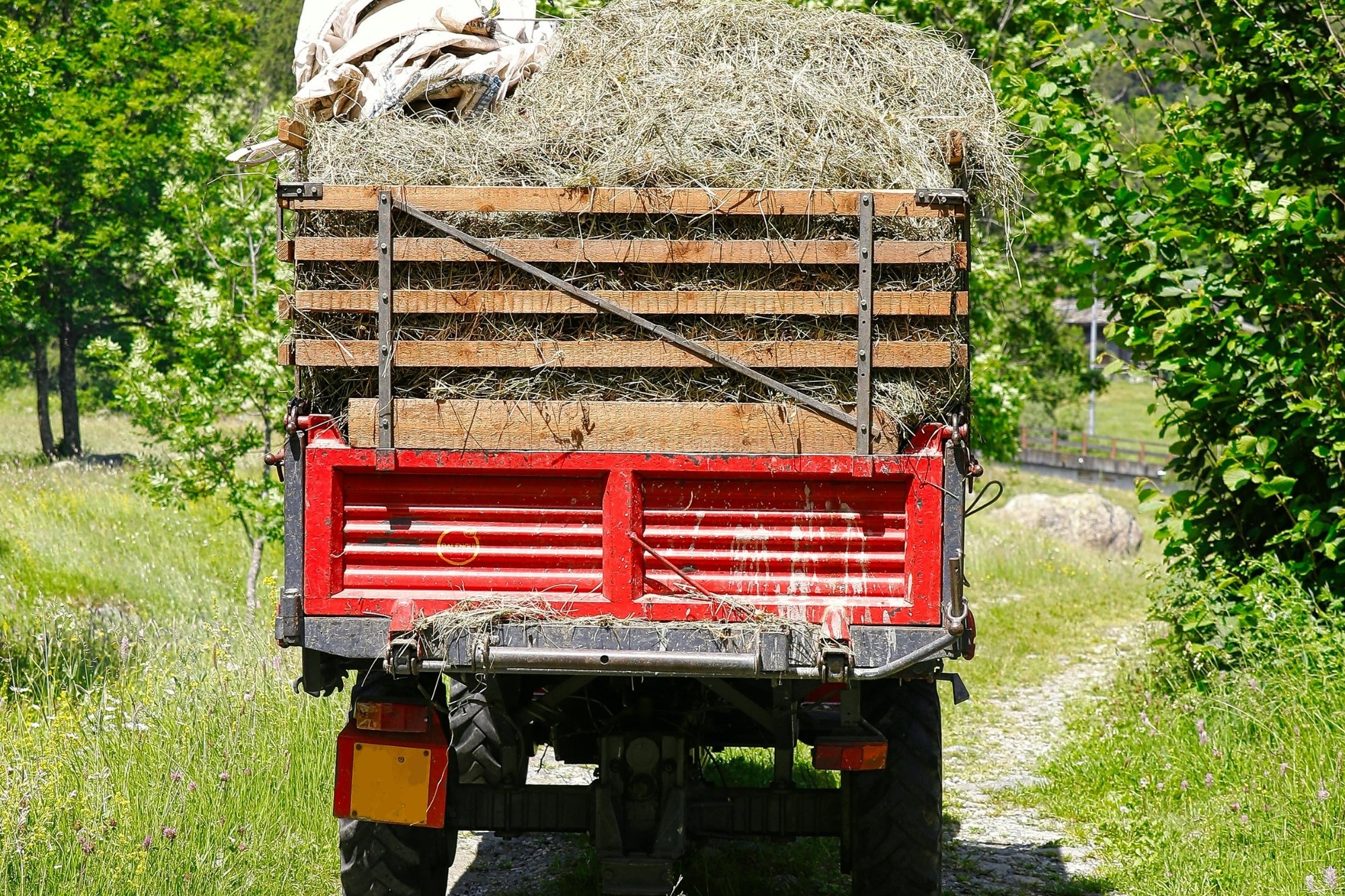
Transport to and from work remains a salient, yet often overlooked, risk area in agricultural supply chains. Many workers – who are often women – depend on transport arrangements that are unsafe and each year, accidents happen. In addition, incidents of harassment or gender-based violence during travel are not uncommon. Employers frequently outsource transport to third-party providers, and these risks are often insufficiently captured by traditional social audits. Female workers often feel unsafe to bring up these issues during worker interviews. As a result, transport-related safety risks and gender-related risks frequently remain invisible and unaddressed in due diligence processes. The Safe Transport Programme (STP) has been developed to address this gap.
STP will run in Morocco from January 2026 to May 2027. It is co-funded by Sida together with corporate programme partners Driscolls, Coop, Axfood, Greenpac and Dole Nordic. The social compliance schemes Sedex and Agraya (Global GAP) are also programme partners. In addition, the programme engages local producers, workers and other relevant stakeholders in Morocco.
Transport to and from work remains a salient, yet often overlooked, risk area in agricultural supply chains. Many workers – who are often women – depend on transport arrangements that are unsafe and each year, accidents happen. In addition, incidents of harassment or gender-based violence during travel are not uncommon. Employers frequently outsource transport to third-party providers, and these risks are often insufficiently captured by traditional social audits. Female workers often feel unsafe to bring up these issues during worker interviews. As a result, transport-related safety risks and gender-related risks frequently remain invisible and unaddressed in due diligence processes. The Safe Transport Programme (STP) has been developed to address this gap.
STP will run in Morocco from January 2026 to May 2027. It is co-funded by Sida together with corporate programme partners Driscolls, Coop, Axfood, Greenpac and Dole Nordic. The social compliance schemes Sedex and Agraya (Global GAP) are also programme partners. In addition, the programme engages local producers, workers and other relevant stakeholders in Morocco.
Building on existing insights and collaboration
The programme builds on insights from previous projects, including a human rights impact assessment conducted by Oxfam Sweden and roundtable discussions organized by Oxfam Sweden and Ethical Trade Sweden in Morocco. Based on these previous insights and collaborations, we know that the identified challenges related to gender equality and safe transport are broader than any single buyer or supplier can address alone. They require coordinated action across the supply chain.
From risk identification to actionable solutions
The programme aims to strengthen social auditing and due diligence processes by:
- Conducting research and a gender-sensitive gap analysis of current transport standards and social audits
- Developing best practice guidelines with tools for local producers
- Designing complementary worker-centred audit modules and training for workers, suppliers, transport providers and auditors
- Piloting the audit modules and training in selected supply chains
- A briefing for buyers on how to mitigate and address transport and gender-related risks in their supply chains
- Establishing a scaling-up and adoption plan beyond Morocco
Using Morocco as an example, the programme seeks to generate concrete experience, shared learning and practical tools that can also be applied to address transport and gender-related risks in other high-risk sourcing contexts.
A worker-centred and gender-responsive approach
A core principle of STP is meaningful engagement with workers, particularly women who are often disproportionately affected by unsafe transport and gender-based discrimination and harassment. By combining local expertise, business engagement, cooperation with social compliance schemes and structured dialogue across the supply chain, the programme aims to contribute to safer transport practices.
Join us
STP is designed as a collaborative platform for companies, social compliance framework and local stakeholders who want to move from risk identification to practical improvement. By working together, we can enhance the effectiveness of human rights due diligence and contribute to systemic change.
If you are interested in learning more about the programme or in participating, we warmly encourage you to get in touch with us.

Caroline von Uexküll
Head of Strategic Partnerships

Mira Alestig
Human Rights and Climate Inequality Expert