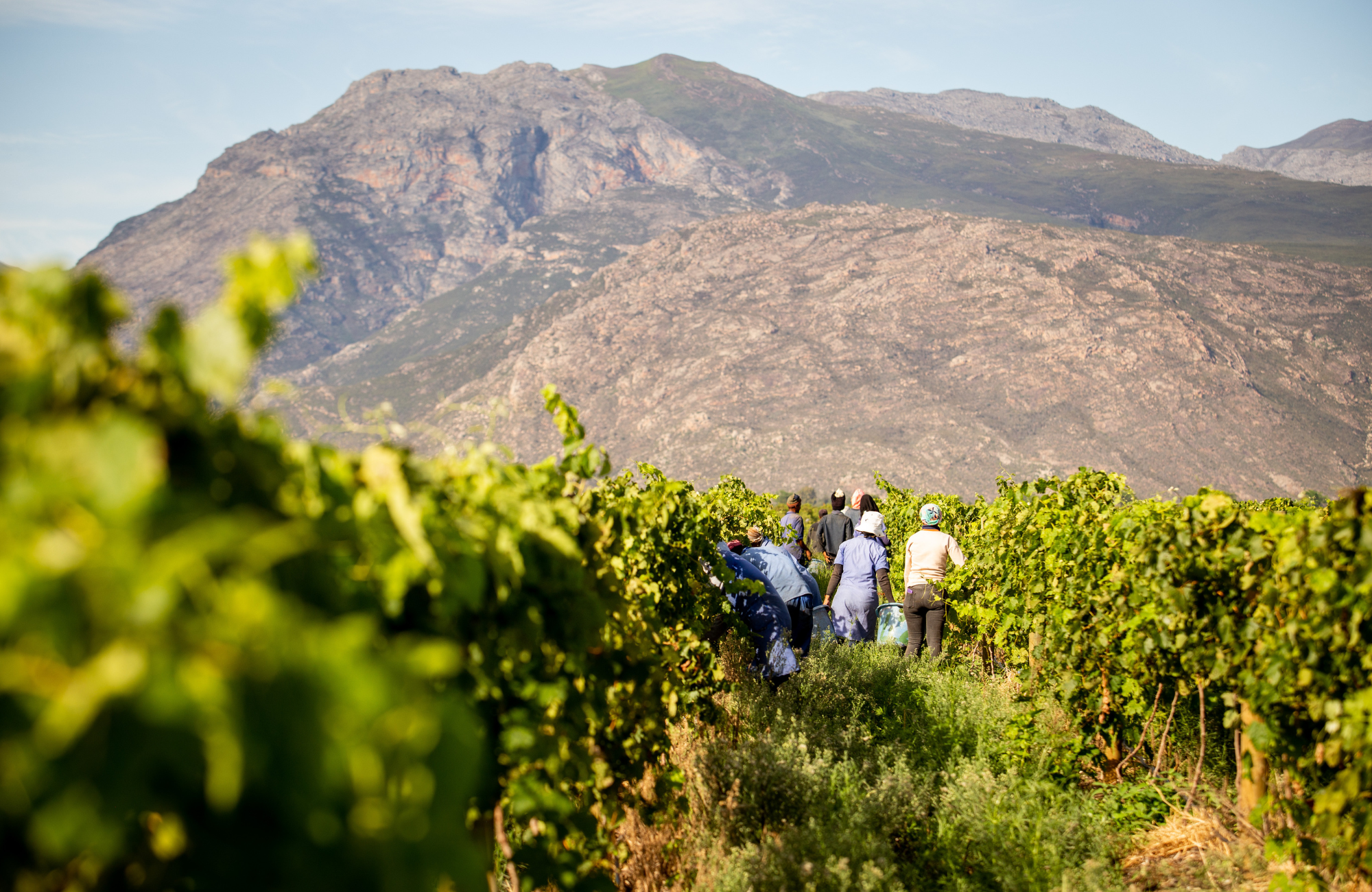
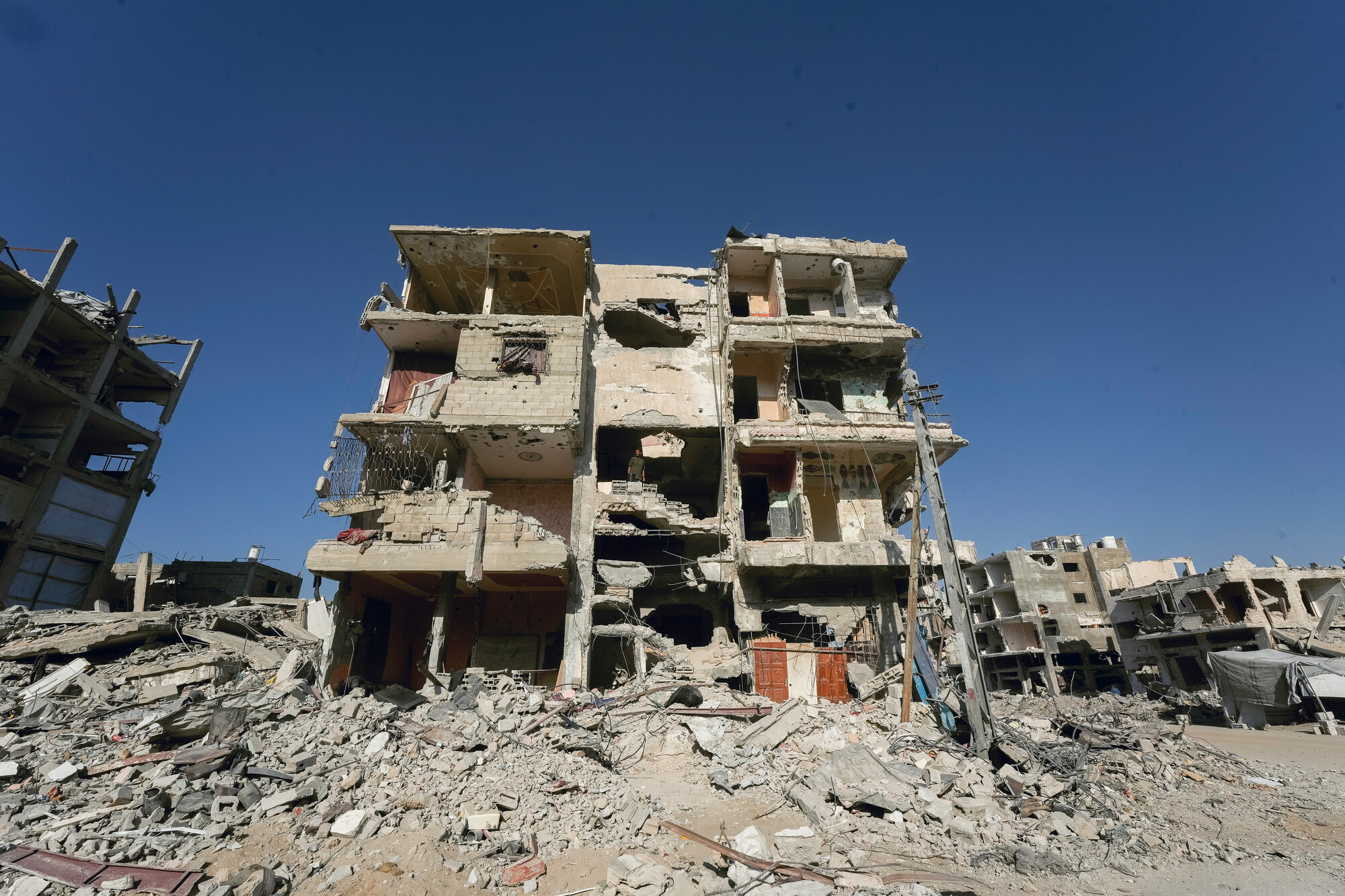
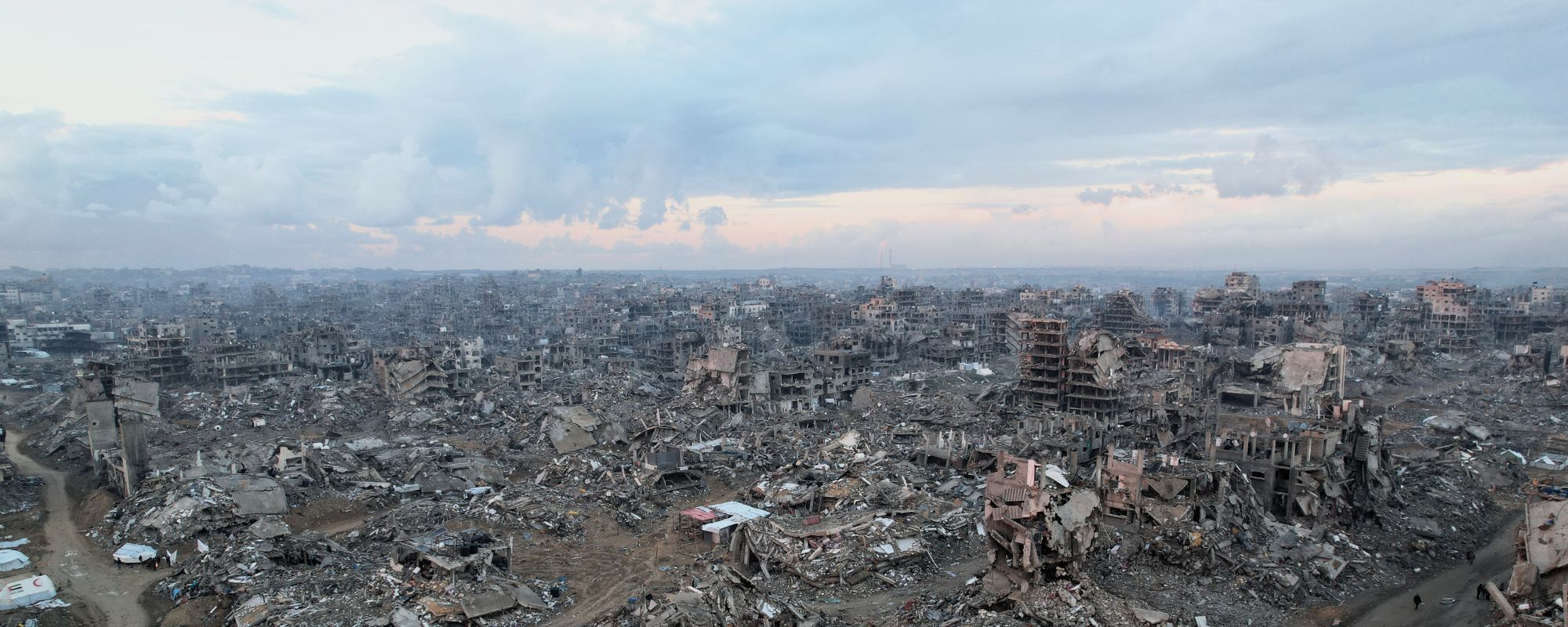
Dharavi is often several degrees warmer than the richer area right next door in Mumbai, India

Inequality
Oxfam fights inequality - for an equal future for all
Inequality is increasing in the world, exacerbating global poverty and the climate crisis.
We know that an equal world is possible. We hope you do too.
The idea that the world's resources are not enough for everyone is a lie. Inequality is not a law of nature, rather it is the result of conscious decisions. But that means it can also be changed.
We believe in an equal future
In fact, we are already there, research shows that we can eradicate poverty, meet everyone's needs while ensuring that everyone lives good lives. We already produce enough, the world's resources are just not distributed fairly. But that's what we want to change.
Oxfam Sweden works every day to highlight, discuss and change structures that increase inequality.
To have the greatest impact in our work, we focus on four areas that are all permeated by inequality. The distribution of the world's resources, who is affected by the climate crisis, who suffers abuse in the workplace, and who is most affected by crises and disasters are all a result of inequality.
Economic inequality
Rosa's story (2022):
"Now we are surviving, we are not living. We pay, eat what we can but I no longer feel that we have a life. It's true that I don't know when I became poor because I always thought I was middle class. I need to have a list where I have everything figured out. I need to know if I can buy potatoes this month or if I have to keep buying apples because I can't buy a mango for example. I can no longer buy certain types of fruit, peaches cost almost 6 euros per kilo. When did this happen?
Because if I have to spend almost twice as much as I did two years ago, but the person selling peaches is as poor as I am, where does that money go? If that money doesn't move, the rich have it and the poor get poorer."
Economic inequality means that the world's resources are unevenly distributed. The current economic system favors the richest while the poor get poorer. Economic inequality is dangerous, creating social unrest, political instability and crime. That's why Oxfam wants to see a drastic reduction in inequality in the world.

Rosa María Iglesias, 33 years old and mother of two children. Photo: Gonzalo Gómez/Oxfam
Klimatojämlikhet
Omar's story:
"Before the drought, I had 50 goats, seven cows and a donkey. I used to sell the milk, and I used the income to pay for my children's schooling. There was water and pasture. People were healthy. Now all my cows are dead, and I have had to sell a goat to afford schooling for my children."
Due to extreme drought and conflict, millions of people in Ethiopia, Kenya, Somalia and South Sudan are in acute hunger. Every 36 seconds someone dies, and more than 45 million people are in need of humanitarian assistance. Meanwhile, the world's richest 1% emit as much carbon dioxide as two-thirds of humanity, but it is people living in poverty who are hit hardest by a crisis they did not create because they have fewer resources to protect themselves and rebuild.

Omar Abdi, 40, stands in front of the house given to him by the community where he now lives, Kenya. Photo: Khadija Farah/Oxfam
Corporate responsibility
Sabina's story
"When I get sick, I take a loan and get treatment. Then I have to pay back the loan when I get my salary. I suffer. Because of the demands of reaching the quota, I can eat sometimes, and sometimes not. It is difficult to drink water and go to the toilet. They take advantage of me if I don't meet the quota. It happens to everyone."
The private sector is the largest employer globally, yet millions of people worldwide find themselves in working conditions that are deeply unfair. There are no rights, no living wages and no decent working conditions. Globally, we see that the people who suffer violations in the workplace are people living in poverty, while people in high-income countries have access to cheap products as a result.

Sabina Yesmin, Bangladesh. Photo: Fabeha Monir/Oxfam
Disaster work
People in South Sudan are facing a twin crisis, climate change and conflict have forced over 4 million people to flee.
Nyalam's story:
"It rained for about a week and my house started to collapse as the water penetrated the walls. I had to take my children to a government building nearby which is a bit higher up. When I went home the next day to get my things, thieves had broken in and taken everything, including clothes, while the rain had soaked what was left."
When crises and disasters occur, for example as a result of conflicts or extreme weather, people living in poverty are most affected. They are more likely to live in houses that are not equipped to withstand extreme weather and have less capacity to rebuild. When crises and disasters strike, Oxfam is there to provide both emergency support and long-term reconstruction. We also work on preventive measures to better equip communities and people for future crises.

Nyalam Tut stands by her flooded house in Nyirol County. Photo: Yangi Teresa Justine/Oxfam
Oxfam is not alone in recognizing that inequality is a problem

Fiscal Policy Council
Fiscal Policy Council report on economic inequality in Sweden.

G20
The G20 recognizes that economic inequality harms societies.

Secretary-General of the United Nations
UN Secretary-General on climate inequality.

Johan Rockström
Johan Rockström: inequality must be reduced for the sake of the planet.
Oxfam fights inequality in all its forms across the world.
We are on the ground in crises and disasters to support the people affected, through both prevention and emergency work. We produce research and influence politicians and decision-makers on how inequality affects people around the world - all for an equal future.