EU legislation against corporate human rights abuses is on the way
Today, there are no rules preventing Swedish and European companies from, for example, using child labor or paying slave wages to people in other countries.
Several other EU countries have adopted their own laws against this, but not Sweden. Now the EU has taken the initiative for legislation and the European Commission is expected to propose a law, while Germany is expected to prioritize the issue during its upcoming EU presidency. Yesterday, Oxfam hosted the biggest event of the spring on the issue, where key European decision-makers and representatives from business, trade unions and civil society took a clear stand for legislation.
EU Justice Commissioner Didier Reynders stressed that the EU should urgently develop binding rules to prevent human rights and environmental abuses in the supply chains of European companies:
"We need to move fast. The coronavirus crisis is a painful reminder of the importance of creating a fair society and economy. Corporate weaknesses are now coming to the surface and unregulated global supply chains are having an impact on people and society," said Didier Reynders, who also called the lack of laws and regulations in supply chains one of the biggest obstacles to sustainability in trade.
Lara Wolters, MEP, also criticized companies for passing on the costs of the pandemic to their subcontractors.
"Some of the world's richest companies are letting vulnerable people foot the bill for their operational risks," said Wolters.
"To be clear: this is not about a few bad guys. Poverty wages and precarious working conditions are a structural problem. It underpins many European business models. That's why only mandatory due diligence can bring about change on the scale needed."
Tim Gore, Oxfam
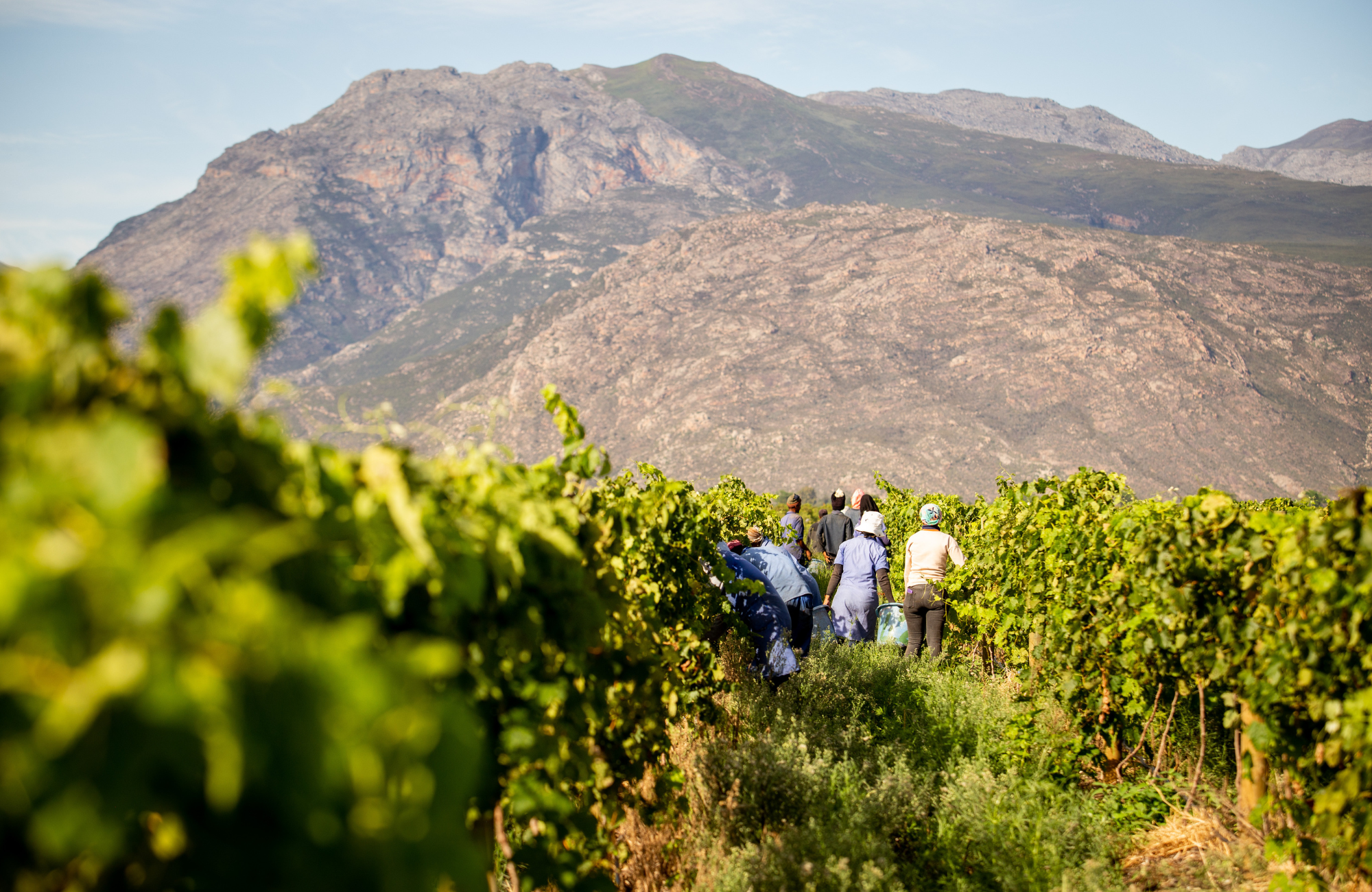
The aid organization Oxfam works to ensure that companies take responsibility for the people working in their supply chains, including in the food industry where poverty and insecurity are high among growers and producers.
Oxfam calls for an EU Fair Supply Chain Act to:
- Apply to all companies and all levels of company supply chains, down to the first level of production
- Require companies to systematically review whether they cause, contribute to or can be linked to human rights and environmental impacts, and take appropriate measures to prevent them.
- Require companies to consult with affected communities in the development of impact assessments.
- Include a clear gender perspective, as girls and women are often the most affected.
- Make companies accountable for human rights and environmental impacts and include effective sanctions for companies that fail to take appropriate action.
- Ensure that victims of corporate violations are given the opportunity for redress
Länken är kopierad