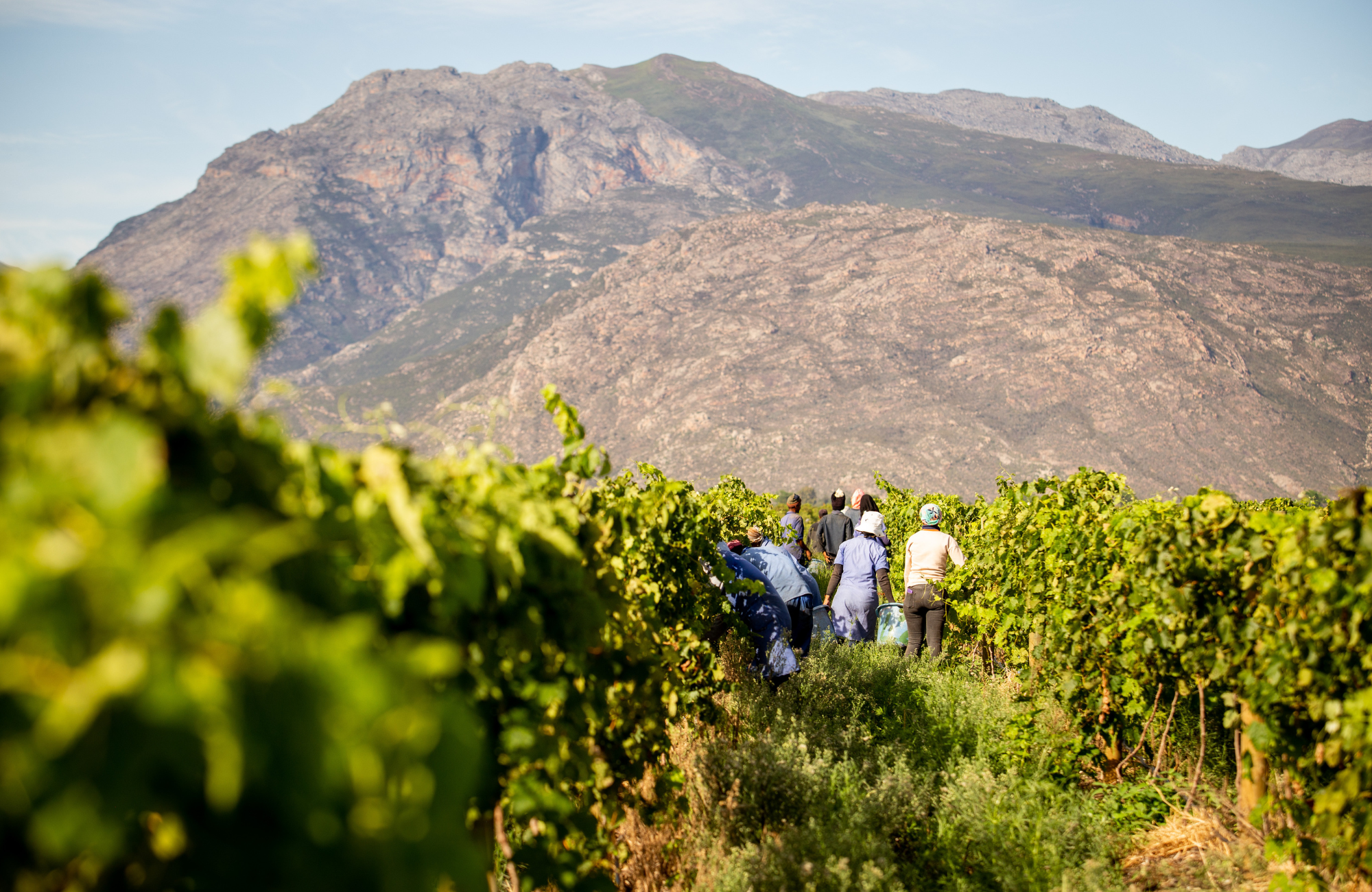

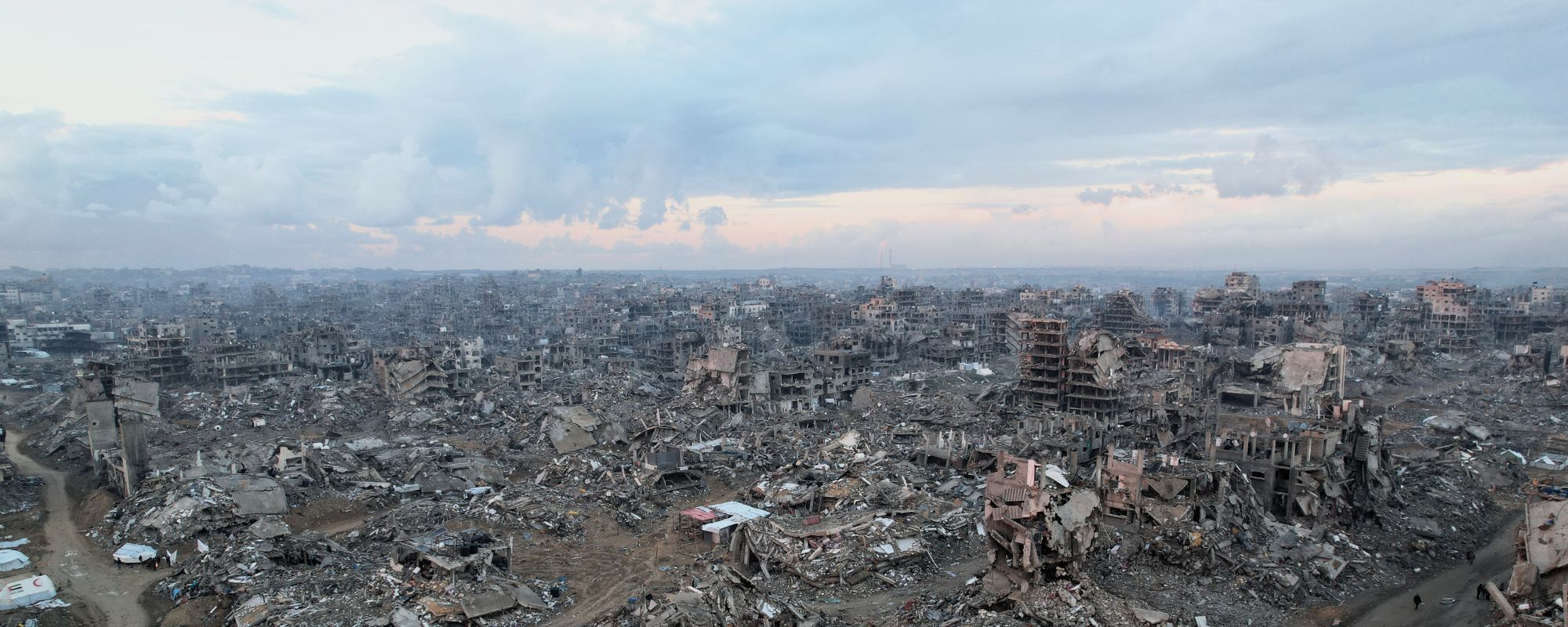
Why starvation = failure
By the time famine is officially declared, often more than half of the projected deaths have already occurred. To declare famine would be to declare failure.
The crisis in East Africa is the result of a lack of political will. World leaders have the power to collectively provide the necessary funding, but they choose not to.

Famine crisis in Kenya, Ethiopia, South Sudan and Somalia
28 million people are fighting for their lives in Kenya, Ethiopia, South Sudan and Somalia in an acute hunger crisis. Warning bells have been ringing for months, but the response has been weak. Read more about the situation here.
It is overwhelming. It can also seem like a very complex situation - which it is. That's why we at Oxfam want to provide some answers to questions that may arise.
What has brought East Africa to the brink of famine?
Droughts and floods linked to climate change have destroyed crops and killed livestock. Russia's war against Ukraine has contributed to higher food prices. The global inequality crisis is making those already living in poverty even more vulnerable.
The crisis is the result of a deeply broken system: a world that chooses to prioritize power and money for a small minority while billions of us struggle to survive.
Billionaires' wealth continues to grow and fossil fuel companies are making record profits. At the same time, poverty has increased for the first time in 25 years. People living in areas vulnerable to climate change are more exposed than ever to extreme weather and natural disasters. Read more about the global inequality crisis here.
What do world leaders need to do to avoid a famine disaster in East Africa?
The crisis is grossly underfunded despite warning after warning. Last year, $3 billion was missing, money that the world's rich countries together could have contributed. In a world where the wealth of dollar billionaires is increasing by that amount every day, we do not think it is morally defensible to stand by while people starve.

World leaders seem to be waiting for an official declaration of famine before sending funding, but why?
Right now, there is not enough political pressure on world leaders to take action and provide funding for East Africa.
This crisis has often been called the forgotten crisis, as it often can be when the crisis is slow. Unfortunately, when many crises happen around the world at the same time, the media tends to focus on the fast-moving ones, which in turn increases the overall pressure on politicians to act.
Too often, leaders wait for an official declaration of famine, which in many cases never comes because of the political implications for the government of the country in question. Or the declaration comes too late because of slow data collection. We know that waiting for elections will cost thousands of lives.
That hunger is an imminent risk for an entire region in 2023 is absurd. The situation is getting worse, all because those with the most power, money and influence, are not taking action. With the necessary funding and early action, hunger can be completely avoided.
If starvation is declared, what does it mean?
A declaration of famine means that famine is causing an extreme amount of deaths within the population. However, by the time famine is declared, often half of those expected to die from the crisis have already died. Here are some figures:
For famine to be officially declared:
- 1 in 5 households affected by extreme food shortages
- More than 30% of the population severely malnourished
- 2 in 10,000 people die from hunger every day
And therefore famine is a failure. How can world leaders wait for this to happen before sending funding?
The people of East Africa cannot control climate change, they cannot control conflict or the greed of billionaires. They can only control how they react to it day by day.
World leaders can and must take action.
This text is inspired by this text from Oxfam Great Britain, written by Alicia, Head of Campaign Engagement.
Länken är kopierad