
Workers behind Italian wines face human rights violations
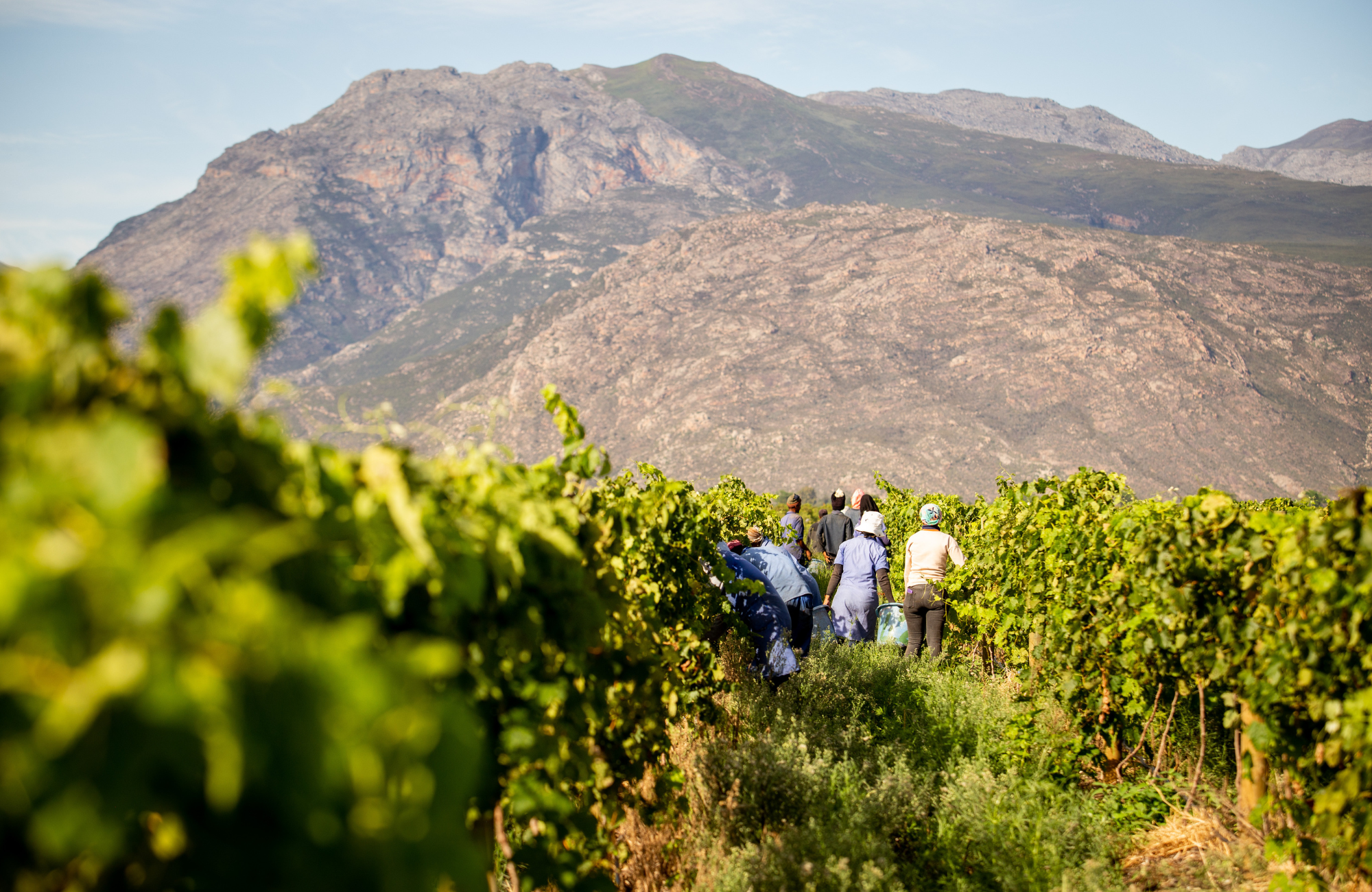
The working conditions of grape pickers in Italy are characterized by abuses and serious risks of human rights violations.
Forced labor, poverty wages, harmful working conditions and precarious employment are the reality for many workers in the Italian wine industry. This is shown in Oxfam's new report "The Workers behind Sweden's Italian Wine", where Oxfam, in collaboration with Systembolaget, has mapped and reviewed the working conditions of the workers behind the Italian wines sold at Systembolaget.
Nearly 100 workers were interviewed about their working conditions and rights in vineyards in Tuscany, Piedmont, Puglia and Sicily - four regions in Italy that supply wine to the Swedish market via Systembolaget.
"I dare not raise work-related problems with my employer for fear of being punished or losing my job."
Workers in Italy
"I am not free to leave my job because I have to repay the debt for the trip to Europe."
Workers in Italy
Almost half of those interviewed are migrant workers from Eastern Europe and Africa. They have in some cases had to pay to get their jobs and are particularly exposed to the risk of being in the hands of illegal employment agencies, or so-called 'caporalato', who determine working hours and wages on their own. Despite being outlawed in 2016, the caporalato system still exists in many parts of Italy. The Italian trade union Flai Cgil and the research institute Osservatorio Placido Rizzotto define it as modern slavery.
In all four regions where Oxfam has investigated working conditions, low wages are common, as is overtime, which is generally not compensated. A significant proportion of both Italian and migrant workers cannot afford to cover their basic needs on wages that can be as low as €2.50 per hour. In order to survive, many are forced to take on additional jobs or work overtime - where it is compensated.
Precarious employment conditions are widespread among workers. Many lack written employment contracts and are without labor law protection. They are afraid to raise complaints, often for fear of losing their jobs or facing retaliation from their employers. Lack of awareness of the possibility to join a trade union and fear of being penalized by the employer if they join is particularly widespread in Sicily.
Unhealthy working conditions mean that workers in vineyards face a range of health and safety risks, including musculoskeletal disorders, fatigue and toxic fumes. Many of the workers interviewed stated that they lack protective equipment.
"As the report highlights, people in poverty are forced to put their lives and health at risk for our wine consumption. Working with Systembolaget, we have been able to identify a small part of the widespread problem in Italy and around the world: the systematic exploitation and discrimination of workers at the bottom of the supply chain in the global food and beverage industry. Unfortunately, it is often people living in poverty and vulnerability who pay the price for the state of our global trade today"
Suzanne Standfast, Secretary General Oxfam Sweden
Oxfam has been investigating the global food industry for years, raising the alarm about the systematic exploitation and discrimination of workers. Millions of workers who supply Sweden with products such as rice, seafood, coffee, tea and wine have also not been adequately supported to cope with the health and economic impacts of the pandemic. As a result, they have been forced into deepening poverty.
As one of the world's largest buyers of wine, Systembolaget has taken an important step in choosing to review the risks and human rights violations that may occur in their Italian supply chain. They have come a long way and are on the right track. By acting on the report's recommendations on how they can further develop their work on good working conditions and human rights compliance, they have great opportunities to make a difference.
"We hope that more companies follow in Systembolaget's footsteps - and that the social aspect of sustainable supply chains is given higher priority across the sector. Change is also needed at the political level: the Swedish government must show leadership and act for binding legislation requiring Swedish and European companies to respect human rights in their supply chains."
Suzanne Standfast, Secretary General Oxfam Sweden
Länken är kopierad