
The diet that shortens life
Did you know that the food that is "healthy" for us in Sweden, is often directly harmful to farmers on the other side of the world? Paradoxical, isn't it?
The raw materials that are healthy for us Swedes are often directly harmful to farmers and workers on the other side of the world. Unfortunately, this issue is low on the to-do list of food chains. But there is hope. By reading up on what you eat, you as a consumer can raise your voice and demand change. Knowledge is power, even when it comes to vegetables.
About the campaign
At Oxfam, we are painfully aware of the conditions often faced by all the farmers and workers who ensure that we can eat good, wholesome produce here in Sweden. The inequality in global supply chains is enormous - while top executives reap billions in profits, many farmers don't even have an income they can live on. Unsafe working conditions, harassment and unreasonably long working hours are commonplace for many.
Swedes are becoming increasingly aware of sustainable food, but this means above all that the food should be organic and kind to nature. That's good, but we want to make Sweden aware of how the food we eat should also be kind to the people who grow and package it.
Oxfam calls on the food industry to:
- Know and demonstrate how their own purchasing practices affect small-scale farmers, workers, including women workers, in their supply chains.
- Act to respect, and to prevent and counter human rights abuses against, small-scale farmers, labourers and women workers in their supply chains.
- Advocate for stronger policies, including legislation, to protect the rights of small-scale farmers, workers and women workers in purchasing countries.
From the kortareliv.se campaign:
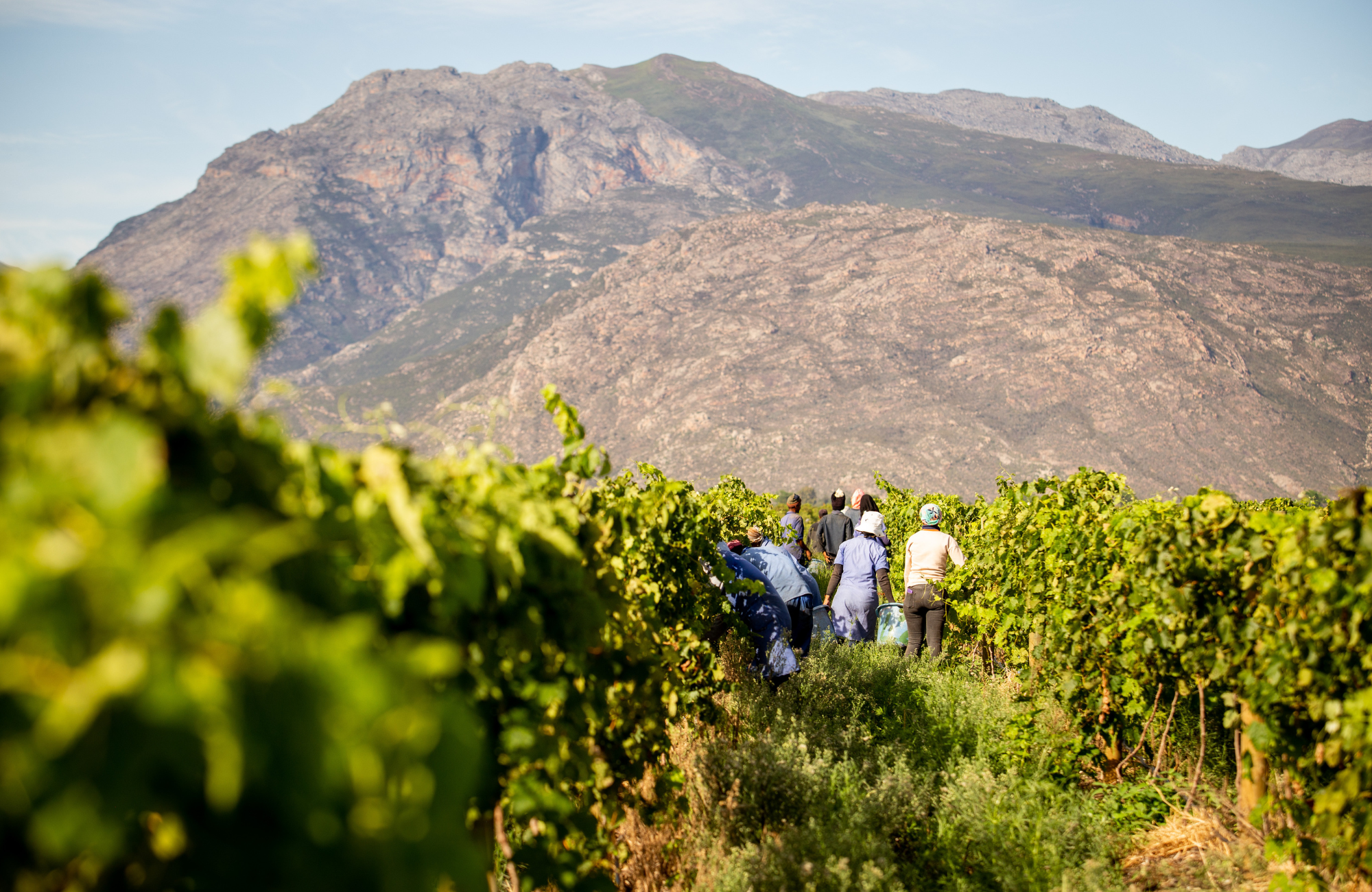
Good morning, and sorry to interrupt with an unhealthy paradox just in time for the breakfast buffet. But it's important that you know. The "healthy" produce you buy at the corner store is often harmful to farm workers around the world. In North Africa, people toil on lemon farms, at wages so low they barely put a roof over their heads, let alone food on the table. In Italy, tomato pickers suffer from exhaustion and dehydration. In Mexico, farmers live under threat from criminal networks, all to force the best possible profit on avocados. In every nook and cranny of the supply chain, abuses and oppression are going on, beyond reason. So what do we do about it here in Sweden, you may ask as a conscious consumer? The honest answer is: far too little. The suffering behind the food we eat tends to be a pretty low priority for the big food giants. (Speaking of paradoxes.) The issue tends to get put off, stuck in paragraphs, or fall between the executive chairs altogether. But let's end on a high note. If you, the customer, decide to raise your voice, this issue will be heard. When cash flow is at stake, there tends to be a different sound in the bark. Start with a visit to kortareliv.se, where you can read up on the issue in general and Oxfam's work in particular. Knowledge is power, even when it comes to vegetables.
The campaign is run in collaboration with Åkestam Holst and Besvärlig since 1977, with the support of ForumCiv.
Support our work
Our work on corporate responsibility
Businesses and the private sector are the largest employer globally, playing a major role in people's lives, indeed, in entire societies. At the same time, millions of people working in global supply chains find themselves in poverty and precarious working conditions.
Oxfam works to support workers and farmers with the aim of ensuring that their human rights are respected and that they can live on their income. We press politicians and companies to act for a more equitable trading system and greater corporate responsibility in sustainability.