

Stop the suffering behind our food!
Oxfam draws attention to low wages and suffering in the food industry with new report and pop-up restaurant in Stockholm.
On October 10, we will open Goal 8 - The most unfair restaurant in the world, where the food costs as little as the workers and farmers earned from it. This is to draw attention to the fact that the people who grow our food often earn so little that they go hungry themselves.
The menu, which features food often produced under difficult conditions for poverty wages, is by chef Siri Barje and will be served in a pop-up restaurant open to the public between October 10-14 at Norrmalmstorg in Stockholm. A three-course menu costs only 2 SEK.
To coincide with the opening of the restaurant, Oxfam is releasing a new report examining how food chains are taking an increasing share of the consumer price, while the share going to growers and food industry workers often earn well below poverty wages and often endure terrible working conditions.
"The people who grow many of the ingredients we buy in Swedish shops often earn so little that they go hungry themselves. We want more people to be aware of this, and to start making demands on the actors they buy their food from," says Robert Höglund, Head of Communications at Oxfam Sweden.
Robert Höglund, Head of Communications Oxfam Sweden
The report shows how food companies drive down prices and maximize profits, exacerbating poverty and abuse faced by workers in their supply chains.
Three quarters of food industry workers surveyed earn so little that they cannot afford food and housing. More than a third said they are not protected from injury on the job and cannot take a toilet break or a glass of water when they need it. This is according to an Oxfam survey of 530 workers in the Philippines, Ecuador, Costa Rica, Peru and the US.
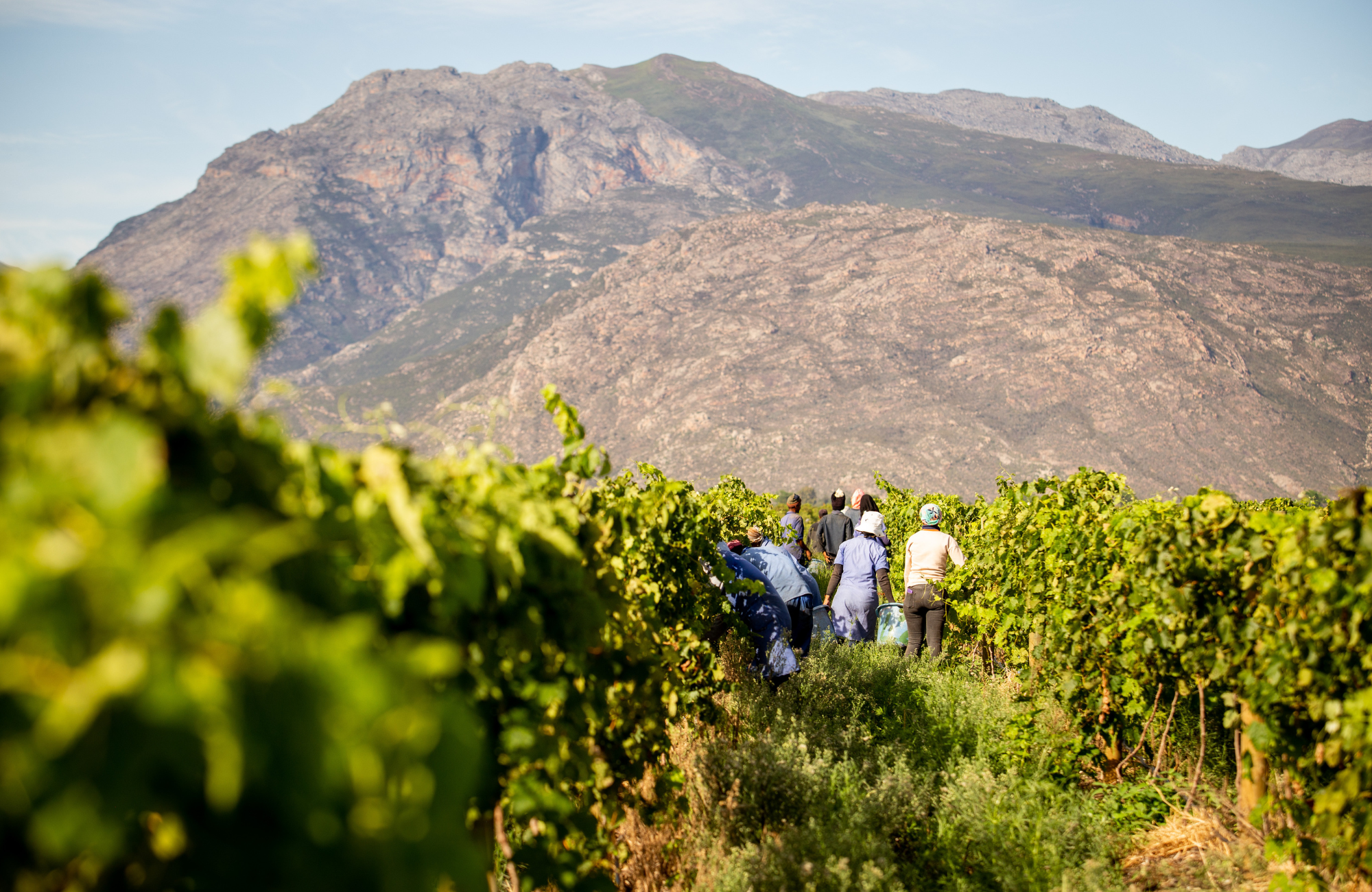
In Brazil, there was evidence of widespread poverty among workers picking grapes, melons and mangoes. Workers there report suffering from allergies and serious skin diseases after working with pesticides and other chemicals without proper protective equipment.
"If I were to prioritize a door to the home, we would not be able to afford food."
Robson, worker on a mango and grape farm
Robson earns a minimum wage that does not cover the family's daily needs. Their house has no windows, no doors, and for much of the year their monthly salary is only enough to feed them every other day.
Interviews with 510 workers on tea estates in Assam, India show that cholera and typhoid among workers is common as many lack access to toilets and clean drinking water. Wages are so low that half of the workers receive ration cards from the government, they are below the poverty line despite working 13 hours a day.
Several food companies have taken steps to address poverty and harmful working conditions in their supply chains. For example, Oxfam Sweden is working with Axfood on the issue of living wages. For example, Oxfam and Axfood are working together to improve the incomes of women rice farmers in Pakistan and have identified other at-risk products where Axfood's actions can make a big difference. But despite the interest among Swedish food operators in ending the suffering behind the food we eat, there is still a lot to be done.
Tea pickers in Assam, India, sometimes earn as little as 1% of the price for which tea is sold in European shops. Grocery chains, on the other hand, sometimes receive as much as 80-90%. Meanwhile, just a few tens of crores in extra payment would be enough to pay tea pickers a living wage.
Oxfam is also calling on the Swedish government to pass a law forcing companies to ensure that they do not violate human rights, anywhere in the supply chain. Either through national legislation or at EU level.
"Voluntary initiatives are not enough, legislation is also needed. Several other European countries have recently passed laws requiring large companies to guarantee that they do not violate human rights in their supply chain, and the issue is now underway in the EU. We hope that Sweden will show leadership and actively promote legislation on corporate responsibility for human rights."
Hanna Nelson, Policy Officer Oxfam Sweden
Länken är kopierad