Oxfam: G7 countries must reduce their carbon dependence
The G7 countries are some of the world's largest economies. Yet they still consume significant amounts of coal. On June 7-8, the leaders of the G7 countries will meet in Germany to discuss climate change and other issues. They will have the opportunity to set the tone for the climate negotiations in Paris at the end of the year. Oxfam is calling on G7 leaders to shift energy production from coal to renewable alternatives. This would be an important step in the right direction to meet emission targets.
In the report Let Them Eat Coal, supported by a number of prominent business leaders and climate experts, Oxfam warns that coal use is the single biggest driver of climate change. Climate change is already hitting the world's poorest people hard, and coal dependence is an obstacle in the fight against hunger and poverty. Despite this, several rich countries, including Germany, have increased their coal use in recent years. Sweden contributes to German coal emissions through state-owned Vattenfall, which owns several coal-fired power plants in the country.
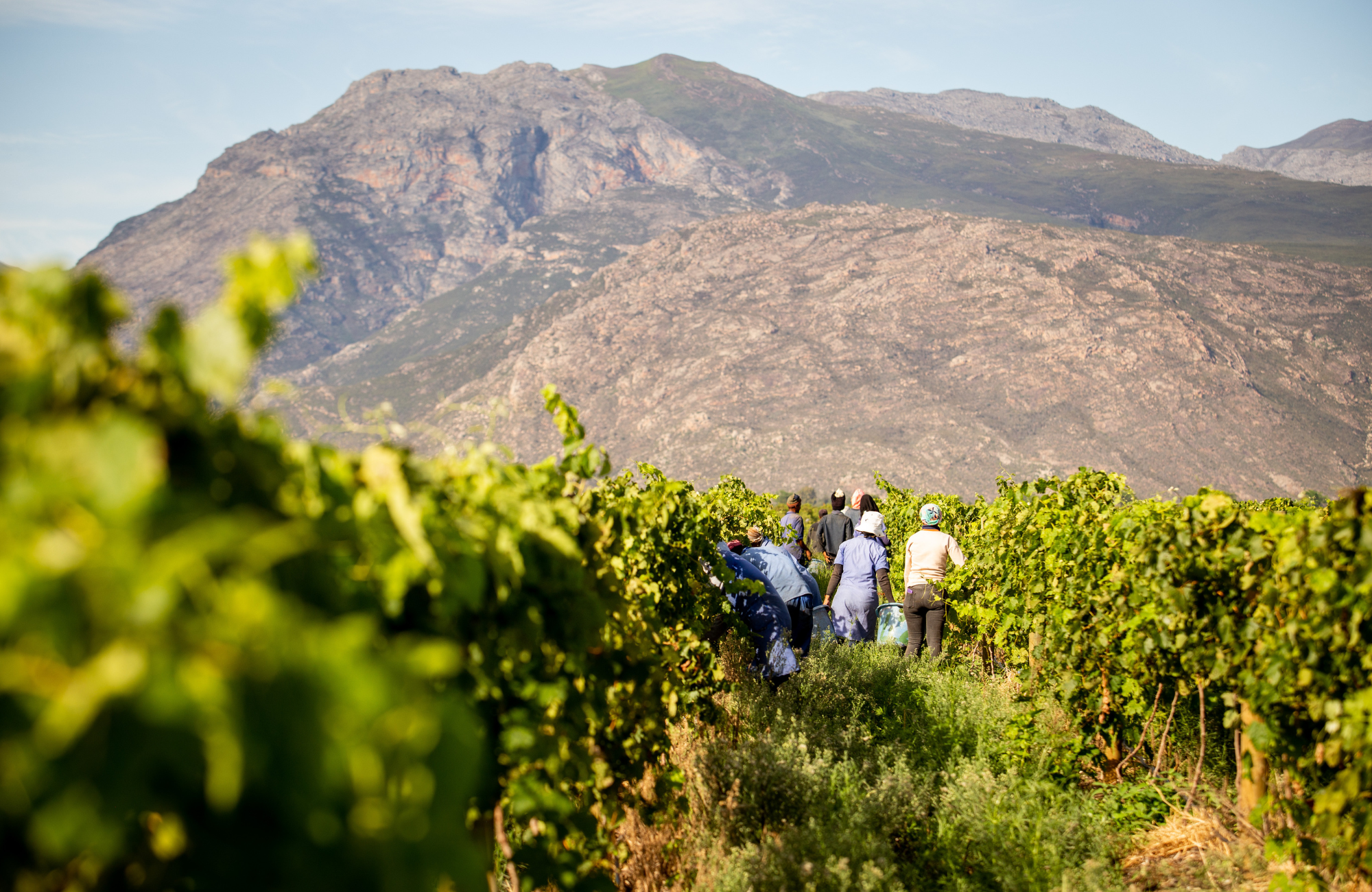
The report also shows that Africa faces costs of up to $84 billion per year by the end of the century due to damage caused by G7 countries' carbon emissions. This is equivalent to 60 times the G7 countries' aid to agriculture and food production in Africa. According to the Intergovernmental Panel on Climate Change (IPCC), food production in Africa is highly vulnerable to climate change. For example, cereal harvests are expected to fall by 35% by mid-century, due to G7 carbon emissions.
"G7 leaders must stop using developing countries' emissions as an excuse for their own inaction. Instead, they should set an example by paving the way for other countries to follow."
Celine Charveriat, Oxfam International
Globally, coal use accounts for almost three quarters (72%) of energy sector emissions. Although more than half of today's coal consumption is in developing countries, the scale is significant even in rich countries. Coal-fired power plants in the G7 countries are responsible for more than twice the emissions of the whole of Africa, and ten times those of the 48 least developed countries in the world combined. At the Copenhagen climate summit in 2009, all countries agreed that global warming should not exceed 2°C. Today, the world is heading towards a warming of 4°C. Moreover, five G7 countries (France, Italy, the UK, Japan and Germany) have increased their coal use since the 2009 climate summit.
"The G7 countries' coal use imposes huge costs on the world's poorest countries. It is now time for them to take responsibility for the consequences of their energy systems. In addition to ambitious commitments at the Paris climate talks, G7 leaders can already take a stand in the fight against climate change by reducing coal use. This would be a major step towards a sustainable future."
Celine Charveriat, Oxfam International
The G7 countries should lead the way away from coal as they bear a major responsibility for climate change. The world's rich countries are also best placed to phase out coal from their own energy mix. They should also help finance emission reductions and climate adaptation measures in developing countries so that they can cope with climate change and develop in a low-carbon way.
Oxfam is calling on G7 leaders to phase out coal and shift energy production to renewable alternatives.
Länken är kopierad