
Oxfam gets better conditions for banana growers
Bananas are one of the cheapest and most purchased fruits in the world. But that low price comes with a human cost.
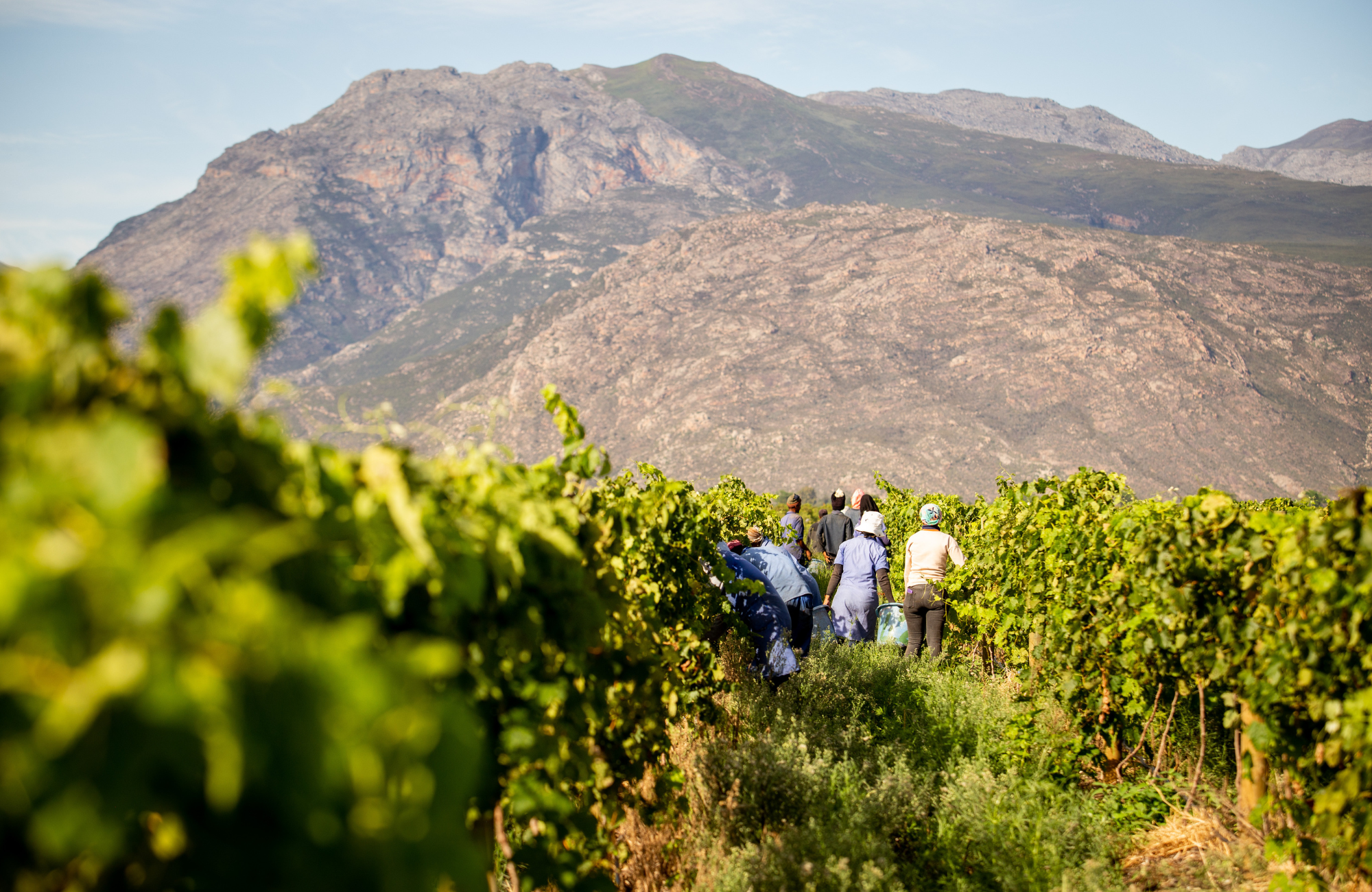
Workers on banana plantations testify how they are forced to endure terrible living and working conditions with elements of discrimination, threats and toxic pesticides.

Poison from the sky
- We are very worried, because we work in a rain of pesticides that give us skin rashes. But if you complain, you risk being fired," says an employee of Matías, a company that supplies bananas to Lidl and others. After Oxfam raised the issue with Lidl, Matías has addressed the problem and workers are no longer exposed to spraying. But it's just one company among many. Much more needs to be done to protect workers in Ecuador from being poisoned.
The dangerous pesticides used in banana cultivation affect the health of both people working on plantations and those living near them. The products used in Ecuador are toxic and many of them are banned in the EU. Some of them have even been linked to cancer.
Due to the size of the plantations, it is common to use airplanes to spray pesticides, and although people are not supposed to be around some of the chemicals for at least 24 hours, people tell us that the plantations are sprayed while they are there. Health and safety measures are lacking on many plantations, and in the areas around banana plantations it is common for people to suffer from disabilities, miscarriages, cancer, respiratory diseases, nausea, skin allergies and dizziness.
- Almost all the parents of children with disabilities at our school work on plantations or live near them. Most of these parents are young, and apart from the pesticide, there is no obvious reason why their children should be born with a disability. Because of the wind, there is no protection from the poison when the planes spread it from the air, but it is spread in the villages around the plantation," says Beatriz Garcia Pluas, who runs a church institution for children with disabilities.
Discrimination against women
In Ecuador's banana industry, women are only allowed to work in packaging departments, where they receive lower wages than their male colleagues working in the fields. A typical wage for female workers is $12 a day, while men earn about three times as much. The situation for women is difficult in many ways, and those who stand up for their rights are likely to be fired. Paula Quinto, 35, used to work on a plantation in Ecuador but was forced to quit when she became pregnant.
- I was working packing produce at one of Reybanpac's plantations when I got pregnant. Towards the end of my pregnancy, the banana boxes became too heavy and I started bleeding. I went into labor and was off work for three days. The doctor told me to find other work. The plantation manager told me I could choose between the job I had or quitting, despite the doctor's certificate. That's when I quit. The worst part was that they had canceled my insurance coverage. My baby was born with a heart defect via C-section two weeks early. We had to stay in hospital for two months. I remember how an airplane used to spray pesticides over the plantation, in the middle of the day," says Paula.
Child labor, intimidation and disenfranchisement
Workers have limited power when it comes to standing up for their rights and trade unions are fundamental for people to improve their working conditions. But on Ecuador's banana plantations, workers' organizing often leads to dismissal. Isidrio Ochoa, a former plantation worker, started working in the industry when he was five years old.
- I started working at Alvaro Noboa's packing station in La Clementina. I sprayed the bananas before they were packed. When I was seven I packed boxes and when I was 10 I pulled banana trees across the plantation, which I continued to do until I was 30. Then I looked for work on other plantations, but it was just as bad everywhere," says Isidrio, who worked in terrible conditions in 2014. He helped start a trade union, which cost him his job.
- They used legal tricks to destroy the union. I shared our experiences at a conference in Peru and when I got home I received threats coming directly from my former boss's cell phone. 'I will get you,' he wrote. For a long time I lived in hiding," says Isidrio.
Länken är kopierad