Worrying that rich countries are reneging on climate finance promises
Only one third of the pledged support went to countries with widespread poverty, to help them adapt to and cope with the impacts of climate change.

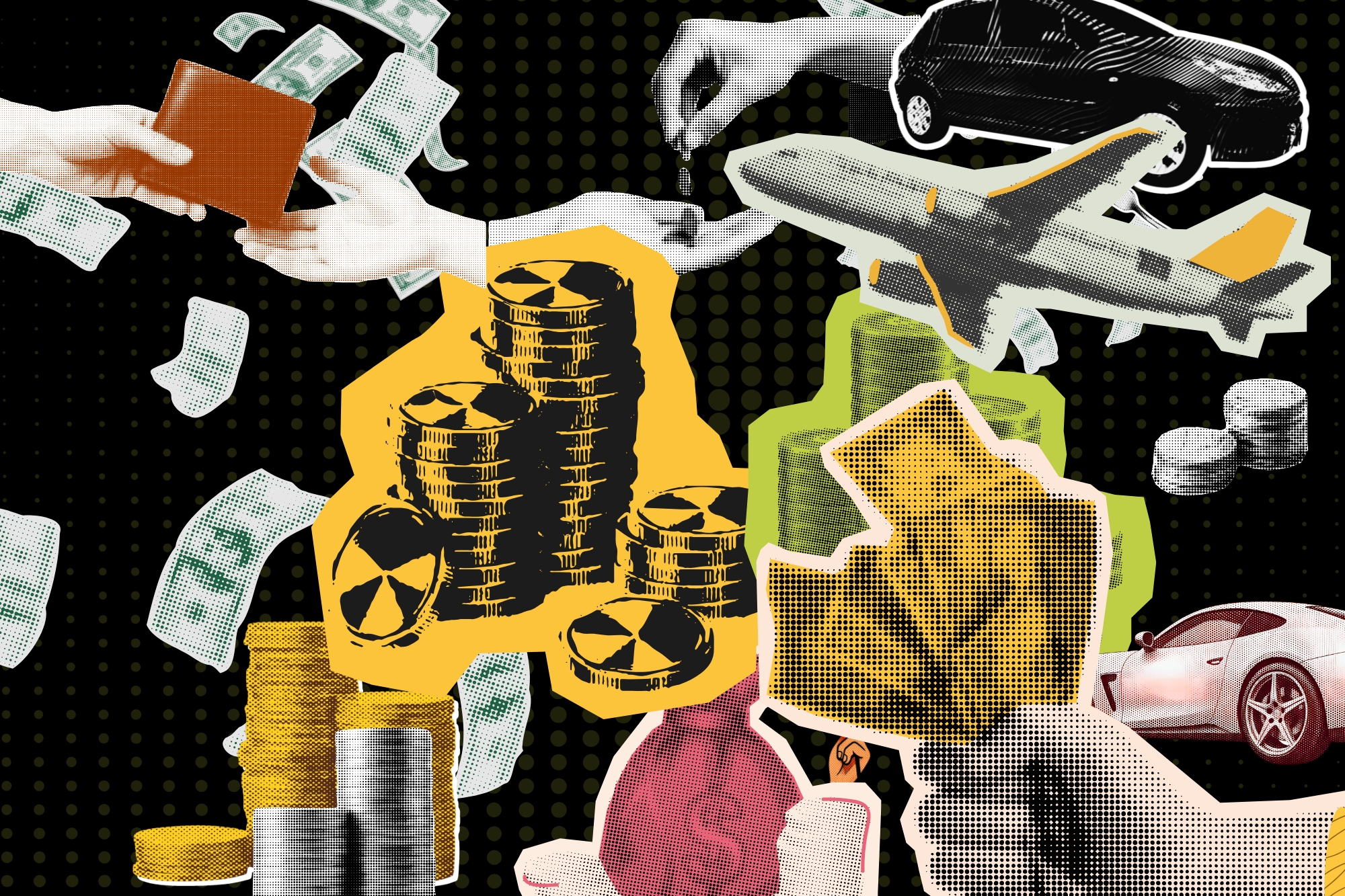
The world's rich countries have committed to collectively allocate $100 billion annually to countries with widespread poverty, which are particularly vulnerable to climate change. In a new report, Oxfam shows that this promise is far from being fulfilled. By 2020, climate finance will have totaled $83.3 billion (of which $13.1 billion came from private donors), according to donor countries' own data.
But Oxfam's new report Climate Finance short-changed, which has looked at rich countries' reported climate finance in 2019-2020, reveals a serious betrayal. Oxfam estimates that the true value of climate finance is only a third of what countries have self-reported and only amounts to between $21 and $24.5 billion. The reasons for the overreporting are unclear rules and an overestimation of actual climate finance, and that an increasing share of climate finance, close to two thirds, is provided in the form of loans and increasingly as non-concessional loans.
"This is a betrayal that has consequences for people who are already in very vulnerable situations. Instead of supporting countries that are particularly vulnerable and exposed to worsening droughts, cyclones and floods, this action will worsen their ability to cope with the next crisis and increase their debt. As a result, the most vulnerable countries will remain unable to cope with and adapt to the severe impacts of the climate crisis."
Hanna Nelson, Head of Policy, Oxfam Sweden
Rebuilding trust in climate finance requires urgent action and it is vital that this is taken seriously at the upcoming climate summit, COP27, taking place November 6-18 in Sharm el-Sheikh, Egypt. Oxfam wants world leaders to act to correct the miscalculations, restore confidence in climate finance, and ensure that countries that are particularly vulnerable to climate change and countries with widespread poverty receive the financial support they are entitled to and need if they are to have a chance of dealing with the unprecedented consequences of the climate crisis they have contributed least to causing in the first place.
"Every dollar lost is a dollar lost to the poorest countries, resulting in the loss of lives and livelihoods, and hindering the possibility of a just climate transition."
Hanna Nelson, Head of Policy, Oxfam Sweden
Oxfam's demands to world leaders ahead of COP27:
- Clarifying and improving climate finance reporting rules
- When reporting, all donors should report the proportion of a loan that is a grant versus a loan. To avoid "inflating" and allow for comparison, all countries should include a clarification of how they have estimated the climate relevance of their financing. Finally, non-concessional loans should not be included as climate finance going forward.
- Deliver on promises of $100 billion in climate finance
- Make up for the years between 2020-2025 that the pledge has not been met, by increasing climate finance in future years. Increase the grant share of climate finance, and ensure that the share going to adaptation increases to at least 50% of all climate finance - and adopt a plan to deliver on the target of doubling funding for adaptation.
- Adopting a post-2025 climate finance target
- Address the gaps in current funding targets and make a clear commitment on what constitutes climate finance and how climate finance should be accounted for and reported. Adopt a target specifically for climate adaptation finance.
About the report:
Climate Finance short-changed is yet another in a series of reports highlighting the enormous impact of the climate crisis on people in countries with widespread poverty, who have done the least to cause climate change. Rich countries, which have long had high greenhouse gas emissions and thus bear a heavy responsibility for the climate crisis, also have a responsibility and an obligation to help countries with widespread poverty to cope with the climate crisis.
Länken är kopierad