Climate change, hunger & poverty
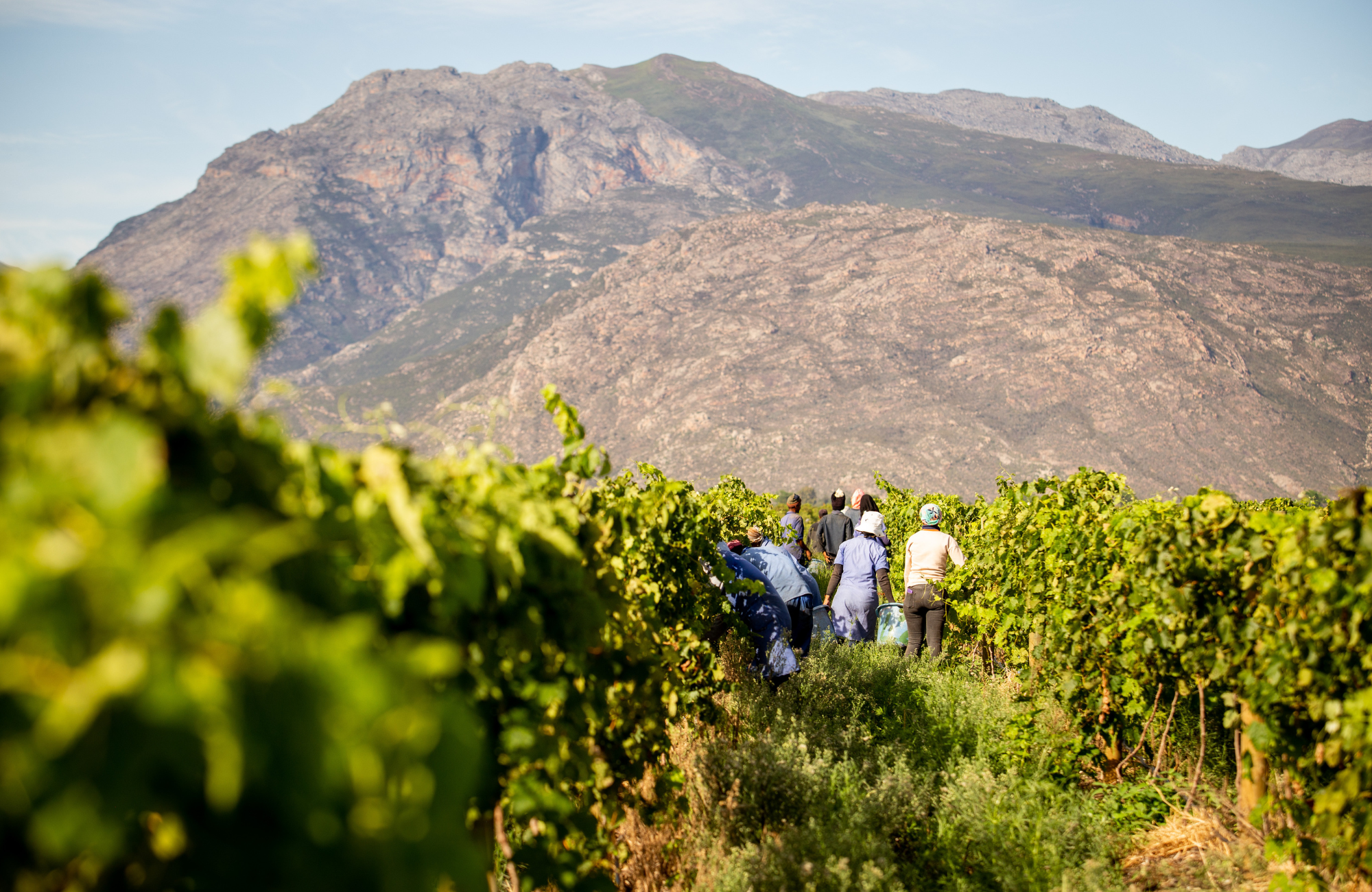
Today, on World Food Day, Oxfam is releasing a report on how small-scale agriculture in Africa is affected by climate change. The report shows that the continent's food systems are threatened by a changing climate that is making it harder to farm and produce food. Across the continent, small-scale farmers are struggling to cope with the effects of climate change. Irregular seasonal changes, rising temperatures and extreme weather in the form of droughts and floods are making the fight against hunger more difficult.
The report shows that climate change threatens food production in some of the world's poorest countries. Women are most affected as they are often more dependent on climate-sensitive livelihoods such as agriculture. In Africa, almost 60% of working women depend on agriculture for their livelihoods.
Record high temperatures
Over the past 50 years, global warming has left its mark on our planet. In Africa, temperatures have risen faster than the global average, especially in the dry sub-Saharan regions where food shortages and malnutrition are already established problems. Climate change now threatens to erode the progress made in the fight against hunger by damaging the world's most vulnerable agricultural systems. Nowhere is this more evident than in the semi-arid regions of Africa, where changing rainfall patterns and rising temperatures have already reduced the production of key cereals.
"20 years ago, harvests were bigger. A lot has changed since then. The rains no longer come regularly, making it difficult to determine when it is time to sow and harvest."
Ipaishe Masvingise, farmer, Zimbabwe
At the Copenhagen climate summit, the world's richest countries agreed to set aside money for climate adaptation in poor countries hit hard by climate change. So far, only a small part of the pledged resources has reached Africa's farmers. Oxfam is calling on world leaders to take responsibility by supporting the people whose lives and livelihoods are most affected by the changing climate.
Climate finance and adaptation
Several African countries have taken important steps to address the impacts of climate change on the food industry. Despite this, the IPCC warns that the measures implemented are not sufficient to address the long-term impacts of climate change. A clear example is Ethiopia, where the need for adaptation measures has been estimated at around USD 7.5 billion per year, with only USD 440 million raised so far.
The lack of climate adaptation support, combined with record low agricultural inputs, poses tough challenges for Africa's farmers. The Maputo Agreement of 2003 set targets for investment in agriculture, requiring national governments to invest at least 10% of their national budgets in the agricultural sector. Today, 11 years later, only nine of the 54 African Union member states have met this target. In Nigeria, for example, only 0.89% of the national budget has been allocated to agriculture.
The way forward
With the right knowledge and tools, small-scale farmers can adapt to the changing climate and produce more food. Women farmers must be prioritized in this work and given greater influence in the political processes that underpin national agricultural policies.
Länken är kopierad