Oxfam: Introduce legal requirements for companies to prevent human rights abuses
Tougher rules are needed to make it mandatory for companies to protect human rights and the climate.
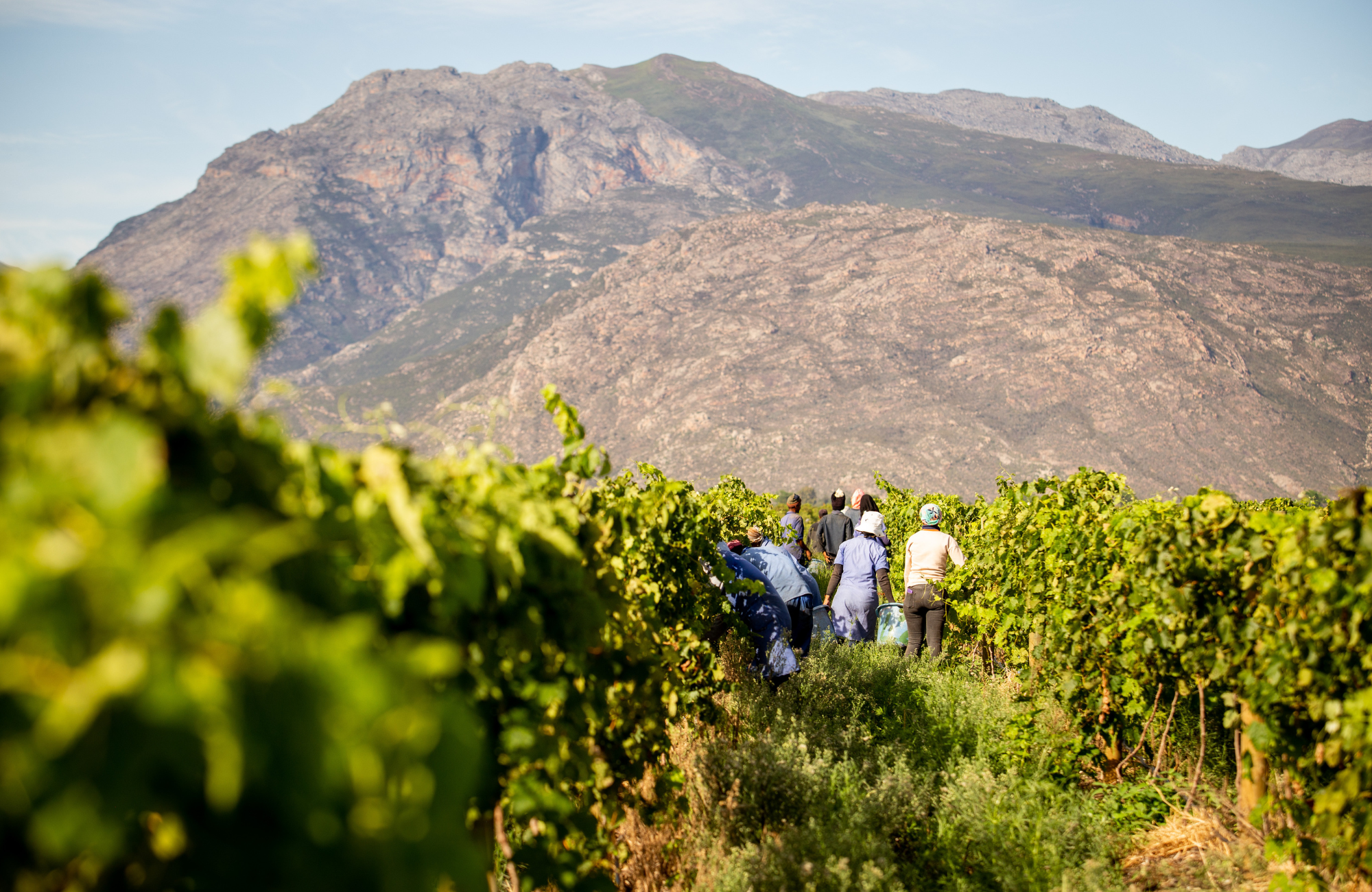
Carlos, 58, from Brazil, has worked for almost 20 years spraying mangoes and grapes with toxic chemicals. He is one of many food production workers who have suffered serious injuries due to a lack of protection and safety in the workplace.
"Several of my colleagues have lost all their hair and my skin is starting to fall off."
Carlos, worker in Brazil

Carlos reflects in a small pocket mirror. Photo: Tatiana Cardeal
Three courses for two crowns
This is often how little workers and farmers earn from selling the food they produce. This was also the price of the menu Oxfam served at the restaurant Mål 8, which was open to the public in Stockholm in October. The aim of the restaurant was to highlight the suffering behind our food.
The campaign aroused strong emotions and 3,200 individuals in Sweden signed the petition calling on companies and politicians to stop the suffering behind our food.
In a new report, Oxfam shows that the vast majority of the consumer price of food goes to the big food chains, which make huge profits and increase their power while the workers and farmers who produce the food are forced to work in slave-like conditions.
Poverty wages are unfortunately just one example of how people's rights are systematically violated before successful companies make huge profits selling their products in Sweden.
Several European countries have laws to prevent this type of exploitation, regulations that say that companies must actively prevent them from violating human rights. But there is no such law in Sweden.
Oxfam is now pushing for companies to be held accountable when they exploit workers and commit human rights abuses. To increase pressure on EU member states to address the problem, Oxfam, together with a large number of other organizations and trade unions, has launched a call for legislation at EU level to make it mandatory for companies to prevent human rights abuses and reduce the climate impact of their operations both inside and outside the EU.
"It's clear that letting companies decide for themselves is not enough, we want to see legal requirements."
Hanna Nelson, Policy Advisor at Oxfam Sweden
EU legislation such as that called for by Oxfam can increase protection for workers, help build consumer confidence and ensure that products sold in the EU are free from human suffering and negative climate impacts.
Länken är kopierad