
Emergency water shortage in crisis-hit Yemen
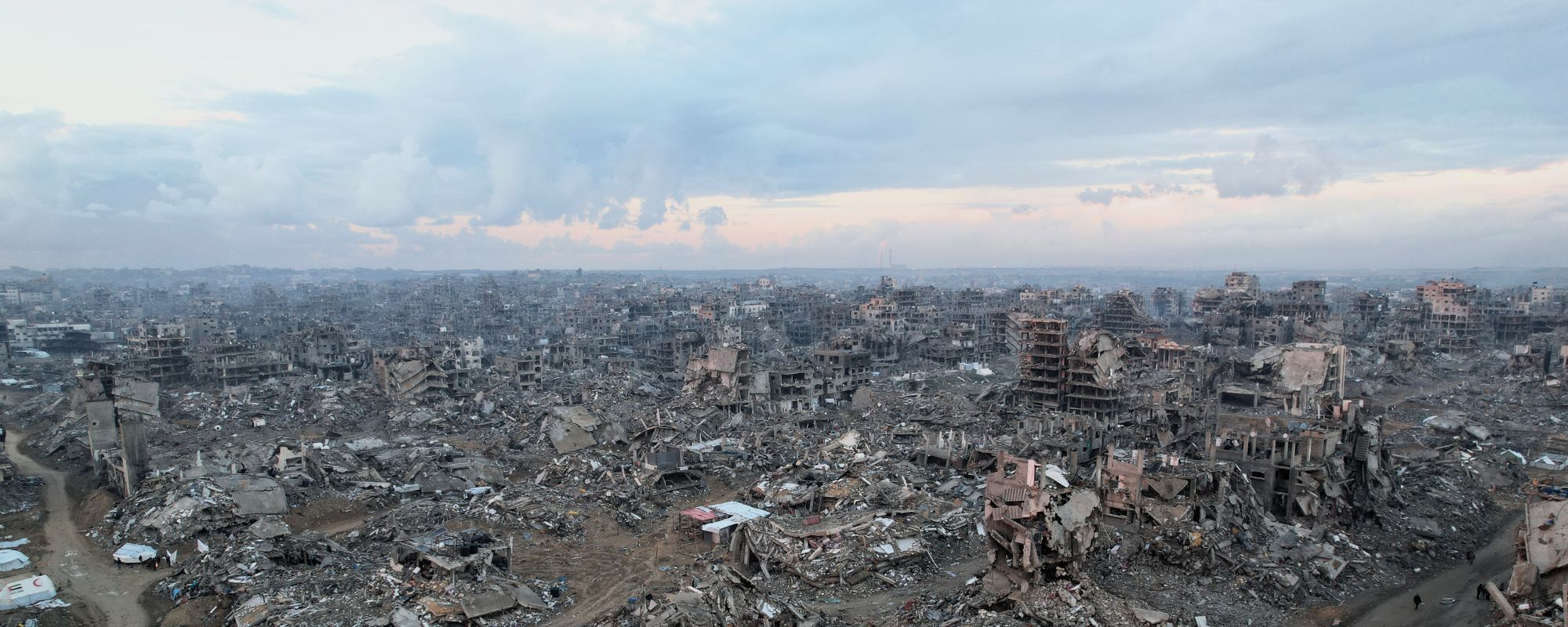
At the end of March, violence escalated in Yemen, the poorest country in the Middle East. Since then, almost 2,000 people have been killed and over 7,000 injured in the violent fighting. More than half a million people have been displaced, while thousands more are trapped in their own homes. Essential supplies such as clean water, medical equipment and fuel are running out. Today, almost two out of three Yemenis lack access to clean drinking water, threatening public health. Yemen is a country in crisis.
Even before the latest escalation of the conflict, the problems in the country were widespread. Around 60% of the population was dependent on some form of humanitarian assistance. Over 10 million people did not have enough to eat, more than 8 million lacked access to adequate healthcare and more than half the population did not have clean water to drink. These figures are now continuing to rise, as the humanitarian situation in the country becomes increasingly acute.
Two out of three lack clean water
Today, 16 million people, almost two thirds of the country's population, lack access to clean water and sanitation. This is more people than the entire population of Sweden and Denmark combined. Large parts of the country's water infrastructure have been damaged in the violent fighting. In the absence of functioning water systems, people are forced to drink unclean water, increasing the risk of diseases such as cholera, malaria or diarrhea.
Another related problem is the lack of fuel. Local authorities in many parts of the country have flagged that they are now short of fuel to keep water systems running and treat wastewater, posing another serious health risk. In recent weeks, several key transportation routes have also been shut down, which is devastating for a nation that is entirely dependent on imported food and fuel.
Oxfam staff in Yemen are deeply concerned about the humanitarian situation in the country. The lack of clean water and sanitation poses an acute health risk. The country's hospitals are now without fuel, clean water and medical supplies - they don't have the capacity to deal with a major disease outbreak. As if that wasn't enough, piles of rotting garbage fill the streets of major cities. Like so many other things, local garbage collection has collapsed in the midst of the conflict, posing a further health risk. A serious health crisis is looming if water and sanitation problems are not addressed. This is the last thing Yemenis need.
The wave ahead
Oxfam is working with several other organizations to help people on the ground, but humanitarian needs continue to grow and aid is not enough. If we don't find a way to address the acute shortage of water and fuel, the country is at risk of a disease outbreak that will claim more lives than the conflict itself. The people of Yemen have the right to a better life and a secure future.
Oxfam calls on national, regional and international actors to work together to find a lasting solution to the conflict. For this to happen, the violence must end and the warring parties must agree to a permanent ceasefire. Dialogue and peaceful negotiations are essential to help people in need. Key transportation routes must also be opened to ensure that vital supplies such as food and fuel enter the country.
Länken är kopierad