Cuttings for planting in Bolivia. Photo: Samuel Nacar / Oxfam Intermón

What is climate change?
Its consequences hit hardest those least responsible for them. Oxfam works for an equitable and sustainable future.
Causes and consequences of climate change
Climate change, i.e. changes in the climate over time, affects temperature and conditions for life. It is normal for the climate to vary over time, but the current rate of change is so rapid that ecosystems are unable to adapt. As a result, a large amount of our biodiversity could be lost. The amount of greenhouse gases emitted is more than the Earth can handle and temperatures are increasing due to the greenhouse effect.
With a warmer climate comes extreme weather events such as droughts, floods and fires. One consequence of the rapid climate change now underway is the climate crisis. It is a global problem that affects all people and all parts of society, no matter where you are in the world. It poses a major challenge to humanity and threatens not only the environment but also our health and economy.
Humans and our activities are the main cause of rapid climate change. Since the industrial revolution, we have artificially emitted more greenhouse gases than ever before and global temperatures have risen faster since 1970 than they have in 2000 years.
The Earth's atmosphere is made up of several different gases such as water vapor, carbon dioxide, methane and nitrous oxide. These are called greenhouse gases. Nhen the sun heats the Earth absorbsr itsa some of the heat that would otherwise leave the Earth. The greenhouse effect is necessary for life to exist on Earth, but when there are too many greenhouse gases in the atmosphere, the Earth becomes warmer than it would be without them.

Harry Tamateika lives along the Mataniko River, Solomon Islands. He has spent the last 20 years watching the river rise. Oxfam has been working with the Australian government through the Australian Civil Society Group. Photo: Collin Leafasia/Oxfam
Climate crisis exacerbates inequality
Not everyone bears the same responsibility for greenhouse gas emissions, which cause climate change and have increased dramatically in recent decades. Globally, the richest 10% accounted for 50% of emissions in 2019, while the poorest half accounted for less than 10%. In Sweden, the richest 10% (around 1 million people), were responsible for 22% of national emissions while the poorest 50% (around 5 million people) accounted for 32%. Inequality and climate change are interlinked and both cause and exacerbate each other.
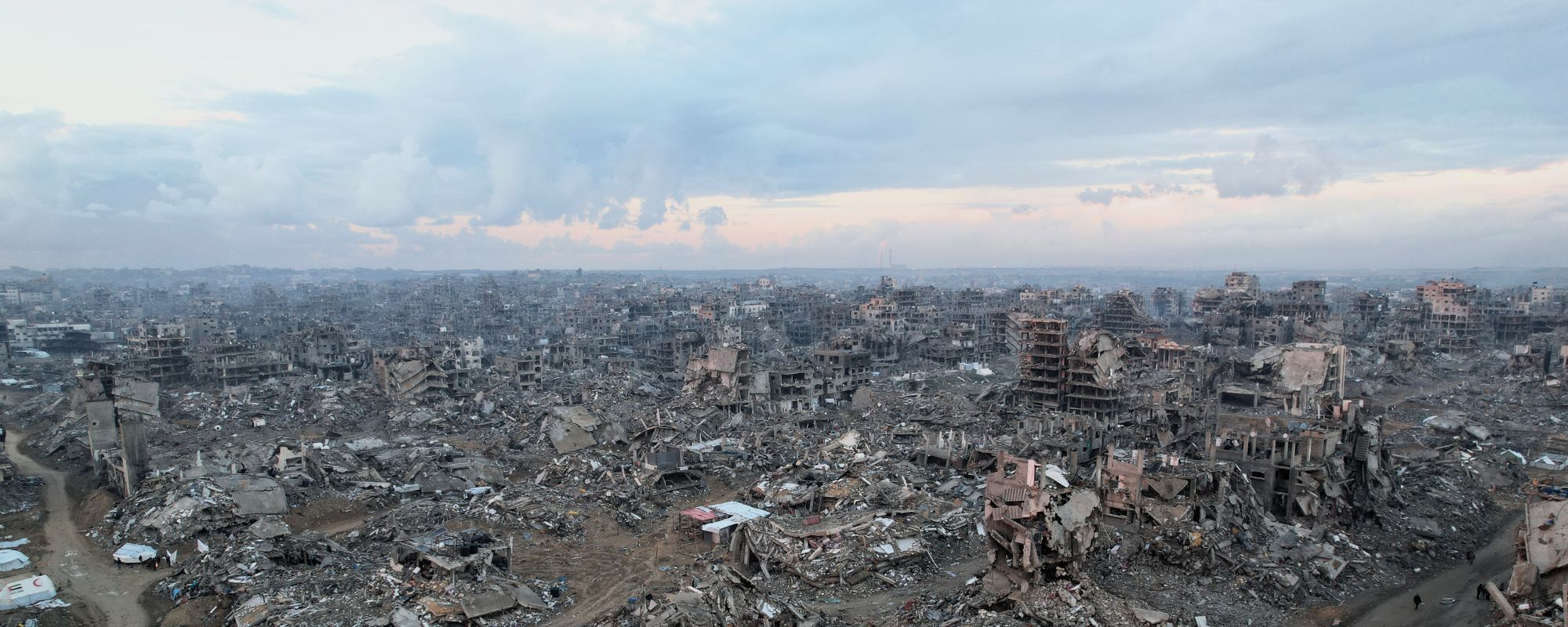
The richest people in the world bear more responsibility for climate change and the climate crisis, but they are not the most affected. Living in a high-income country reduces the risk of having to flee due to extreme weather and gives you more capacity to protect yourself. Since 2008, 21.5 million people have been forced to leave their homes due to weather events. Looking ahead, the forecast is bleak: by 2050, up to 1.2 billion people may have to leave their homes due to climate change.
Read more about climate inequality
Oxfam has previously shown that those who cause emissions are rarely the ones most affected by their consequences. Fore developed countries have higher vulnerability vulnerability and they will also be less able to lift their populations out of poverty. This is partly due to limited resources as a result of historical exploitation but also because of the losses and damage that the climate crisis causes. Thus, climate change affects different countries differently, but even within countries there are inequalities in how people are affected.
Nver 70% of people living in poverty are women. They also do most of the unpaid work, such as fetching water and food, and they tend to work in agriculture, which is severely affected by climate change. Their income is thus most affected by extreme weather events and they find it harder to adapt and protect themselves.
In Sweden, one example is example is the Sami peoplewho are directly affected by the changing climate and transition. Klimate change means more uncertain snow and ice conditions and mild winters negatively affect reindeer. Forestry is increasing and moving further north, wind power construction is displacing the Sámi and reindeer, and mining is destroying natural areas that traditionally belong to the Sámi. Already existing inequalities are exacerbated by climate change.

The Diyala River is one of the main tributaries of the Tigris River. Local agriculture depends on its waters. In recent years, it has dried up with devastating consequences for agriculture in the area. Photo: Paula González/Oxfam
What is being done to slow down climate change?
In the 1980s, the IPCC, the UN's climate panel, was set up and in 1992 the UN Framework Convention on Climate Change (UNFCCC) was created, which has been accepted by almost all countries in the world. The UNFCCC states that countries should "stabilize greenhouse gas concentrations in the atmosphere at a level that would prevent dangerous anthropogenic interference with climate systems." Below are key agreements that aim to address the climate crisis and determine who has the most responsibility for curbing it.
The Kyoto Protocol was signed in 1997. Among other things, it states that the so-called industrialized countries have a greater responsibility to reduce their emissions. This principle is called common but differentiated responsibilities and respective capabilities.
The Paris Agreement was adopted in 2015 and has three main objectives
1. to keep the increase in the global average temperature to well below 2°C above pre-industrial levels and to pursue efforts to limit the temperature increase to not more than 1.5°C above pre-industrial levels
2. building capacity to adapt to the impacts of climate change in a way that does not threaten food production; and
3. Reaching an agreement to make the economic system compatible with the transition to a low greenhouse gas emittingsociety .
Both protocols recognize that not all states have equal responsibility for preventing the climate crisis.
'Fit for 55' is a plan developed at EU level. It requires the EU to reduce its greenhouse gas emissions by 55% by 2030 compared to 2021 levels. All EU countriescountries have a historical responsibility for the climate crisis and thus to combat climate change and with 'Fit for 55' the EU becomes a relatively ambitious actor.
What does Oxfam do?
Oxfam works for a just and equitable climate transition, where those most responsible for the crisis must also take the greatest responsibility for solving it. We do this in several ways, mainly by producing well-founded research on the inequality behind emissions, but also by influencing decision-makers and companies to take their responsibility.
Together with other organizations, we remind politicians and businesses of their climate commitments and hold them accountable. In partnership with local actors, we work to strengthen the resilience of communities that are more affected by climate change in a long-term and sustainable way. We also ensure that their voices are heard in the transition.
When climate-related crises and disasters strike, Oxfam is on the ground to minimize the damage that the climate crisis causes to people, communities and nature. Together with our partners, we provide people in affected areas with, for example, life-saving water and sanitation solutions and cash grants.

Walter Ayala and Paola work for Oxfam and are on their way back from work. Photo: Samuel Nacar / Oxfam Intermón
What can I do?
Oxfam encourages everyone to do what they can in their daily lives to reduce their carbon footprint. You can change your consumption habits, eat less meat and buy local and sustainably produced food. Choosing public transport over the car, trying to fly as little as possible and reducing your waste or making your home more energy efficient will reduce the risk of increasing greenhouse gas emissions.
If you are interested, you can participate in activities organized by local groups or larger organizations, you can become a volunteer and support organizations working for a sustainable world.
However, the efforts of individuals are not enough, three quarters of the change must come from businesses and governments.
Your commitment can make a difference and is essential to bring about change. Oxfam could not do what we do without our monthly donors. It's never too late to slow down the climate crisis and large-scale change is possible when there are more of us.