Kampanjen är avslutad. Läs mer om klimatojämlikhet här.
Results of the climate summit
UN climate summit
COP 28 in Dubai
From November 30 to December 12, the annual UN climate summit is taking place, this year in Dubai. Oxfam is campaigning for world leaders to ensure that an equitable and just climate transition is swiftly implemented. Before the summit, we released two reports on climate inequality in the world and in Sweden, and on the ground we are taking action to ensure that the richest people pay for the climate crisis they are causing, and that those hardest hit receive support and funding.
The Damage and Loss Fund will have a real impact
It is great that a fund for losses and damages has been established. It has the potential to be an important tool of justice for all those people who are already severely affected by the consequences of the climate crisis. But whether the fund will actually be a benefit depends on (1) how it is designed to reach the communities affected and (2) whether it is funded in a reasonable way, such as not taking money from other parts of countries' climate aid, but actually adding to the funding.
It is the responsibility of rich countries to finance the fund.
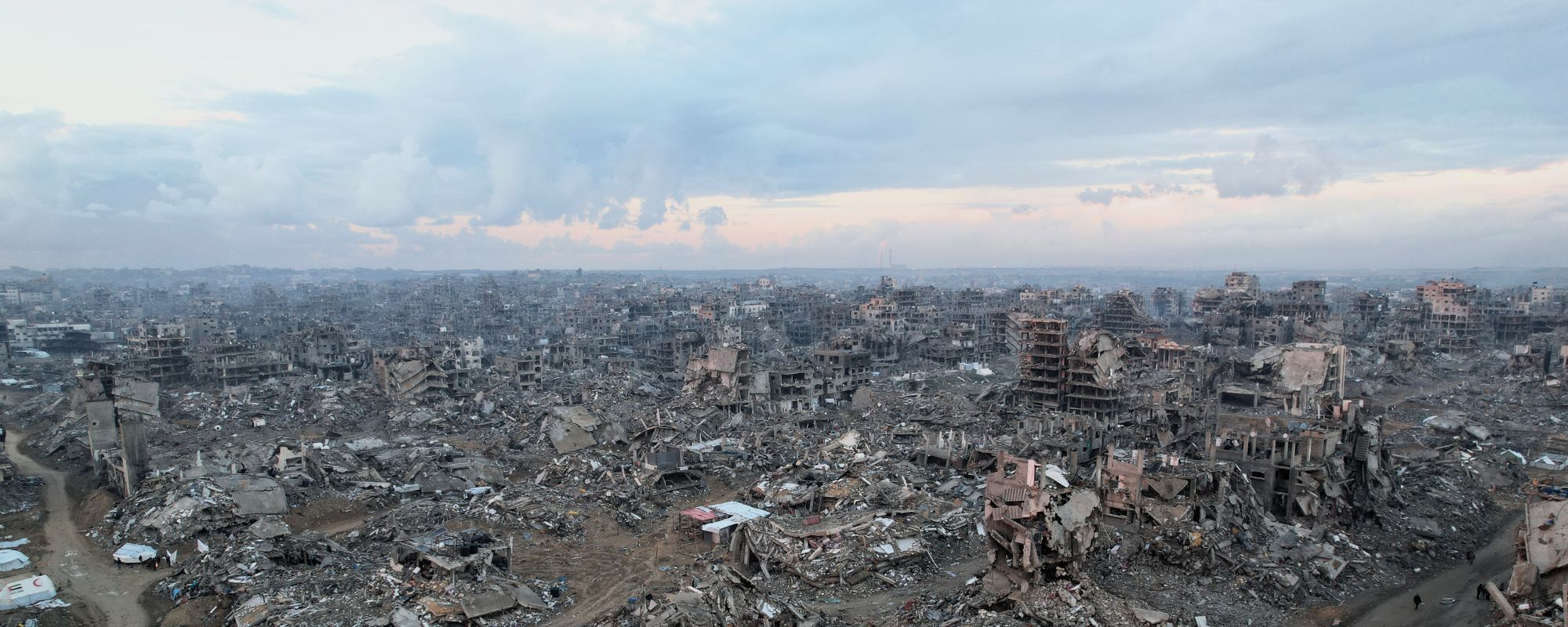
What is loss and damage? Loss and damage is a term used to describe loss and damage caused by climate change. Loss refers to things that have been completely lost, such as life, a way of life or a historical site. Damage refers to things that can be repaired or restored, such as roads, buildings or agricultural fields.
Rich countries must raise their ambitions
According to UN calculations, there is very little chance of keeping warming to a maximum of 1.5 degrees. Based on national action plans, the temperature is more likely to rise by 2.4-2.6 degrees. Therefore, Oxfam wants a global agreement to be adopted that requires an equal and fair energy transition. On the one hand, fossil fuels need to be phased out quickly, and here the richest countries have a greater responsibility to phase out quickly themselves but also to support poorer countries with the transition.
Countries must also adopt new national climate action plans with ambitious targets for 2030 and 2035 in line with the 1.5 degree target. They should show how countries will ensure a just transition based on inclusion, equity and the rights of workers, indigenous peoples and other vulnerable groups.
The transition must guarantee women's rights
Climate change affects women more than men, so solutions cannot be gender-blind. In particular, female small-scale farmers need protection, but also fishermen and farmers in general.
Women are often excluded from decision-making processes, meaning their rights, needs and voices are left out. Climate policies must be decided with equal representation: women, girls, persons with disabilities, indigenous peoples, and youth should all be included. Furthermore, female leadership should be encouraged. Those most affected by climate change should also have a seat at the negotiating table.
The richest emit as much as two-thirds of the world's population.
MEET THE ACTIVISTS
Oxfam partners with four climate activists during COP 28
Hilda Flavia Nakabuye
"For me, climate activism is not a choice, it is a daily struggle. My country Uganda contributes less than one percent to greenhouse gas emissions, but we are suffering from the climate crisis - from rising temperatures to flooding, which is taking people's lives."
Hilda Flavia Nakabuye lives in Kampala and is the founder of Fridays For Future Uganda, the largest youth movement in East Africa. She focuses on raising awareness of the climate crisis among students and organizes regular clean-up days in Lake Victoria.

Hilda Flavia Nakabuye, climate activist. Photo: Emmanuel Museruka/Oxfam
Lavetanalagi Seru
"We want to see an end to fossil fuel infrastructure. It's about intergenerational justice, it's about historical responsibility. We want to see the rich and industrialized countries pay for the damage and losses that they cause here in Oceania."
Lavetanalagi lives in Fiji and has a background in youth and human rights. He is a policy expert on humanitarian action in Oceania, and co-founder of the Alliance for Future Generations. He currently works for the Pacific Island Climate Action Network (PICAN).

Lavetanalagi Seru, climate activist. Photo: Rob Rickman/Oxfam
Marinel Sumook Ubaldo
"It's a terrible feeling, when you've tried to rebuild, and then the typhoon comes and washes everything away again. Every time a climate disaster happens, we are back to zero."
Marinel is from the Philippines and is currently studying in the US. She and her family were affected by Typhoon Haiyan in 2013, after which she organized the Philippines' first climate strike. She campaigns for a ban on single-use plastics, a reduction in carbon emissions, and more investment in renewable energy.

Pavel Martiarena
"I believe that people and nature can live in total harmony. This is what I am fighting for. We know that Peru, and other countries at risk of the climate crisis, are not responsible for it. It is the emitters who are responsible."
Pavel lives in Peru and fights against extractivism (the removal of large natural resources) in the Amazon. For his commitment, he won the "Raise your voice for the Amazon" competition. He is also a photographer and painter.

Pavel Martiarena, climate activist. Photo: Leslie Searles/Oxfam
Questions & answers
The richest emitters are some of the largest companies, some of the richest individuals and the richest countries.
Fossil fuel companies account for 70% of global emissions and have made record profits over the past year. Meanwhile, dollar billionaires generate a million times more emissions than the average person. Rich countries account for much more of the emissions than poor countries do.
It is therefore the richest fossil fuel companies, the richest individuals (the richest 1%) and the richest countries that are the emitters we believe should pay for the consequences of climate change.
'Loss and damage' is the term used for climate impacts that cannot or have not been addressed. "Loss" refers to things that are irreversibly lost such as life, a way of life or a historical site, while "damage" refers to things that can be repaired or recovered, such as roads or buildings.
Climate change particularly affects people in countries that have done the least to cause the crisis. According to climate scientists, over 3.3 billion people live in places that are highly vulnerable to climate change, and people in low- and middle-income countries are five times more likely to be displaced by climate change than people in high-income countries. Inequality and discrimination mean that this injustice is often deepened by ethnicity, gender, sexuality, disability, income or other grounds of discrimination.
- We put pressure on Sweden and other rich countries to take responsibility for the climate crisis - by reducing their emissions and financing the fund for loss and damage.
- We research the share of emissions coming from different income groups and countries - this is the basis for the recommendations we then make.
- We respond to climate-related disasters and provide emergency assistance in the form of cash grants, food parcels and support to rebuild communities.
- We train farmers and communities in climate-smart farming practices and sustainable business.
Governments should tax wealth to drastically reduce the emissions of the richest, while raising billions to help vulnerable countries deal with the impacts of climate change, and the losses and damage caused.
For example, an annual wealth tax of up to 5% on the world's dollar millionaires and dollar billionaires would raise $1.7 trillion each year.
In addition, a special tax should be introduced for profits generated from fossil fuel industries. Such a tax has been proposed by economists Thomas Piketty and Lucas Chancel who have calculated that a 10% tax on fossil fuel assets owned by dollar billionaires could have raised $100 billion each year. It would also discourage investors from investing in fossil fuel industries.
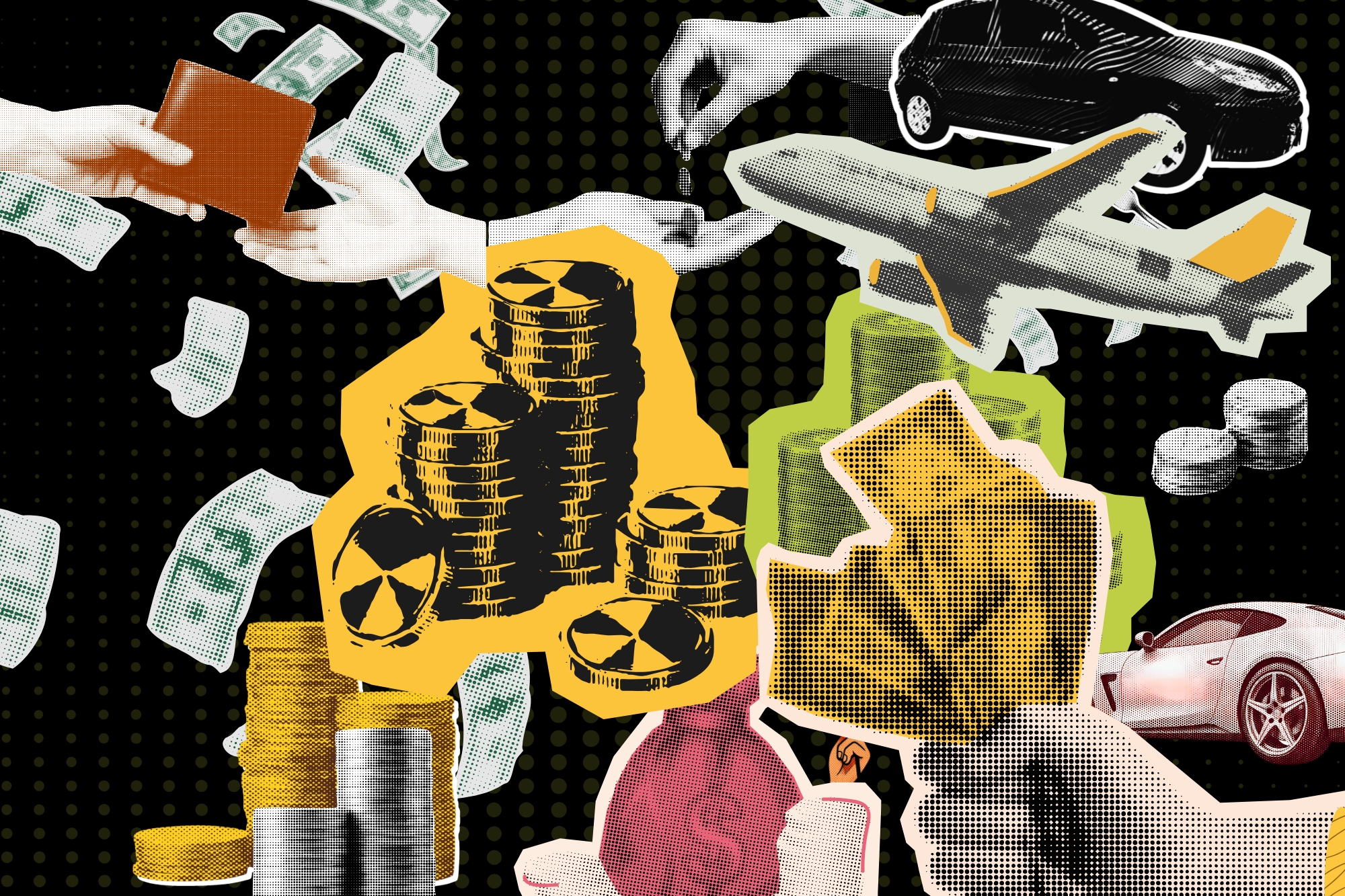
Tax or ban the luxury consumption of the super-rich:
Governments should tax, or in some cases ban, the emissions-heavy consumption of the super-rich, such as large luxury yachts, private jets and space tourism.
Tax fossil fuel companies:
Governments should establish a permanent tax of up to 90% on excessive profits of fossil fuel companies. The tax should apply when profits are more than 10% above normal, and also cooperate with the removal of subsidies for fossil fuel production.
Explore more
Oxfam's work on climate change
What is climate justice and why is it so important to combat climate change?
Sweden's path to an equitable and just climate transition
Even in Sweden, the amount of emissions differs between the richest and the poorest.
Climate Equality
The richest must pay for the climate crisis they cause.