Thirst for profit - Allowing big business to take our water
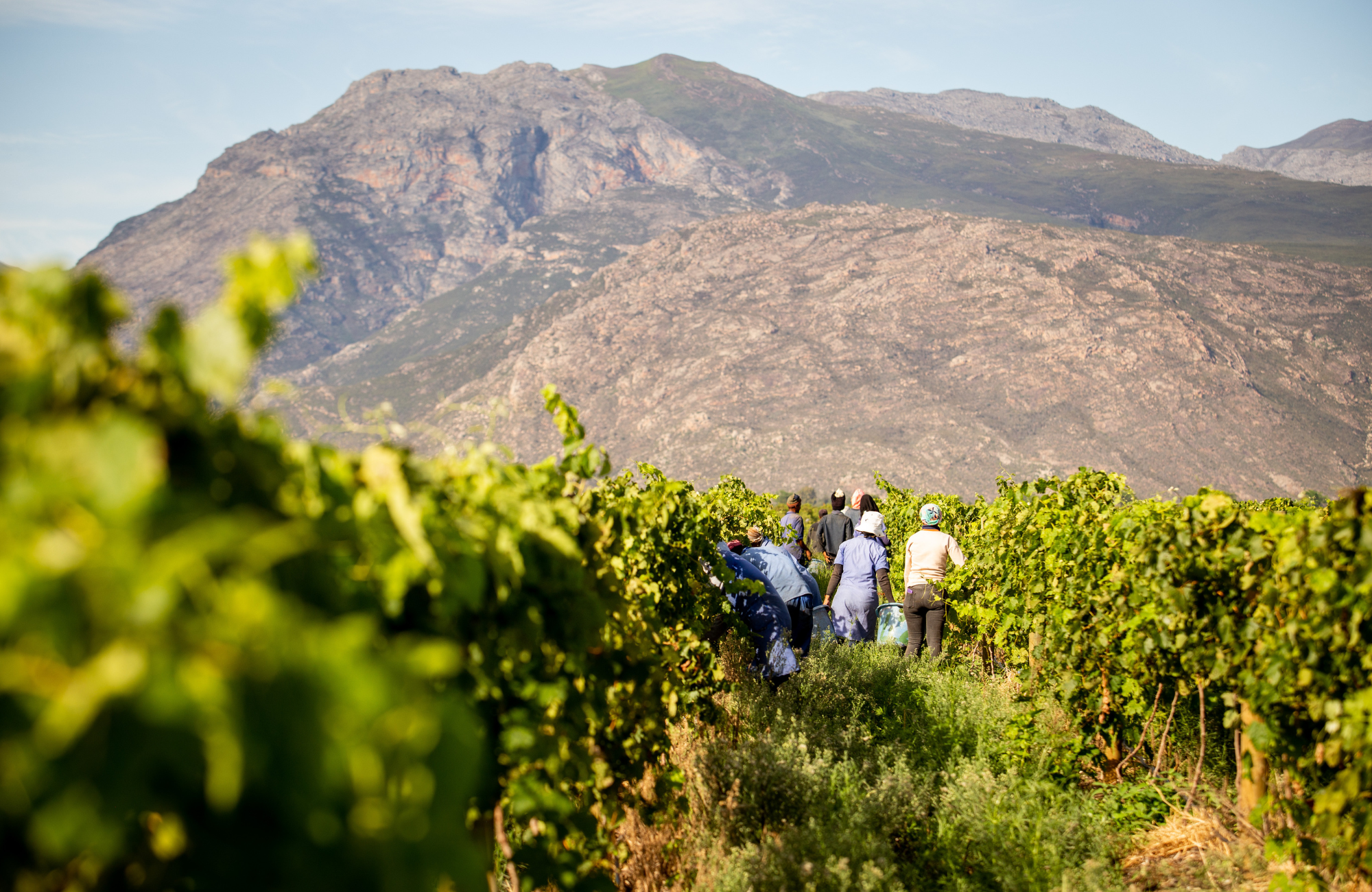
Access to clean water is a basic human right, but according to the UN, an estimated 2.2 billion people do not have access to safe drinking water. However, it does not have to be that way. A new Oxfam analysis of 350 agribusinesses and food companies shows that companies are exploiting a lack of regulation and existing inequalities to capture large parts of the world's water resources at the expense of people and the environment. Only 28% of companies report reducing their water withdrawals - despite the fact that the agricultural industry accounts for 70% of all water withdrawals globally.
- We believe that the water crisis facing the world is not caused by an actual lack of water, but by an unequal distribution of the water that is available. Large corporations are exploiting and polluting water resources without consultation with local people or consideration for the local environment. Ultimately, it is also the world's governments that allow this to happen despite the huge need for clean drinking water," says Suzanne Standfast, Secretary General of Oxfam Sweden.

Climate change is exacerbating existing water scarcity, with an estimated 1.5 billion additional people lacking access to clean water by 2050. More intense droughts mean that countries dependent on agriculture for their livelihoods, particularly in the Global South, are hurting economically, exacerbating poverty, food insecurity and health problems. Indigenous peoples, who are particularly dependent on close access to water, become more vulnerable when a few powerful actors monopolize water sources.
Meanwhile, large companies are making matters worse. In the new analysis, based on data from the World Benchmarking Alliance, only 23% of companies say they are working to reduce their water pollution and only 108 of the 350 companies analyzed are transparent about the amount of water they withdraw from water-scarce areas. The agricultural sector accounts for 70% of all water withdrawals, which they use to supply the meat industry and biofuel production, among others. Resources are predominantly taken from the Global South to meet consumption needs in the Global North, without consultation with local populations or consideration for the local environment
- When big companies pollute or consume huge amounts of water, local communities pay the price in the form of empty wells, more expensive water bills and contaminated and undrinkable water. "Less water means more hunger, more disease and more people forced to leave their homes," said Cécile Duflot, Director General of Oxfam France.
Water and inequality are strongly linked. Rich people have better access to safe, public drinking water, and the money to buy water, while people living in poverty, who often do not have access to publicly provided water, spend large amounts of their income on water.
For decades, Oxfam has seen how people face daily challenges trying to access clean water. They spend countless hours queuing or walking long distances, suffering the health consequences of dirty water.
- "We obviously cannot rely on the goodwill of companies to change their behavior - governments need to force them to behave and protect public goods above their profit interests," says Duflot.
Oxfam calls on governments to:
- Realize water as a human right and a public good. Profits should not be a priority when it comes to providing people with water.
- Holding companies accountable for their violations of human rights and environmental laws , including the pollution of water.
- Invest in water security, subsidized public water for all, sustainable water management and climate resilient water, sanitation and hygiene (WASH) services. National planning and policy around WASH must include women at all stages; leadership, participation and decision-making.
The Nature Benchmark methodology is available for download.
Download the Oxfam report "Thirst for Profit".
Download Oxfam's Water Dilemmas report for more information on how climate change is affecting water.
Read more about Oxfam's work on water and sanitation.
Länken är kopierad