Richest gain while poverty and inflation rise
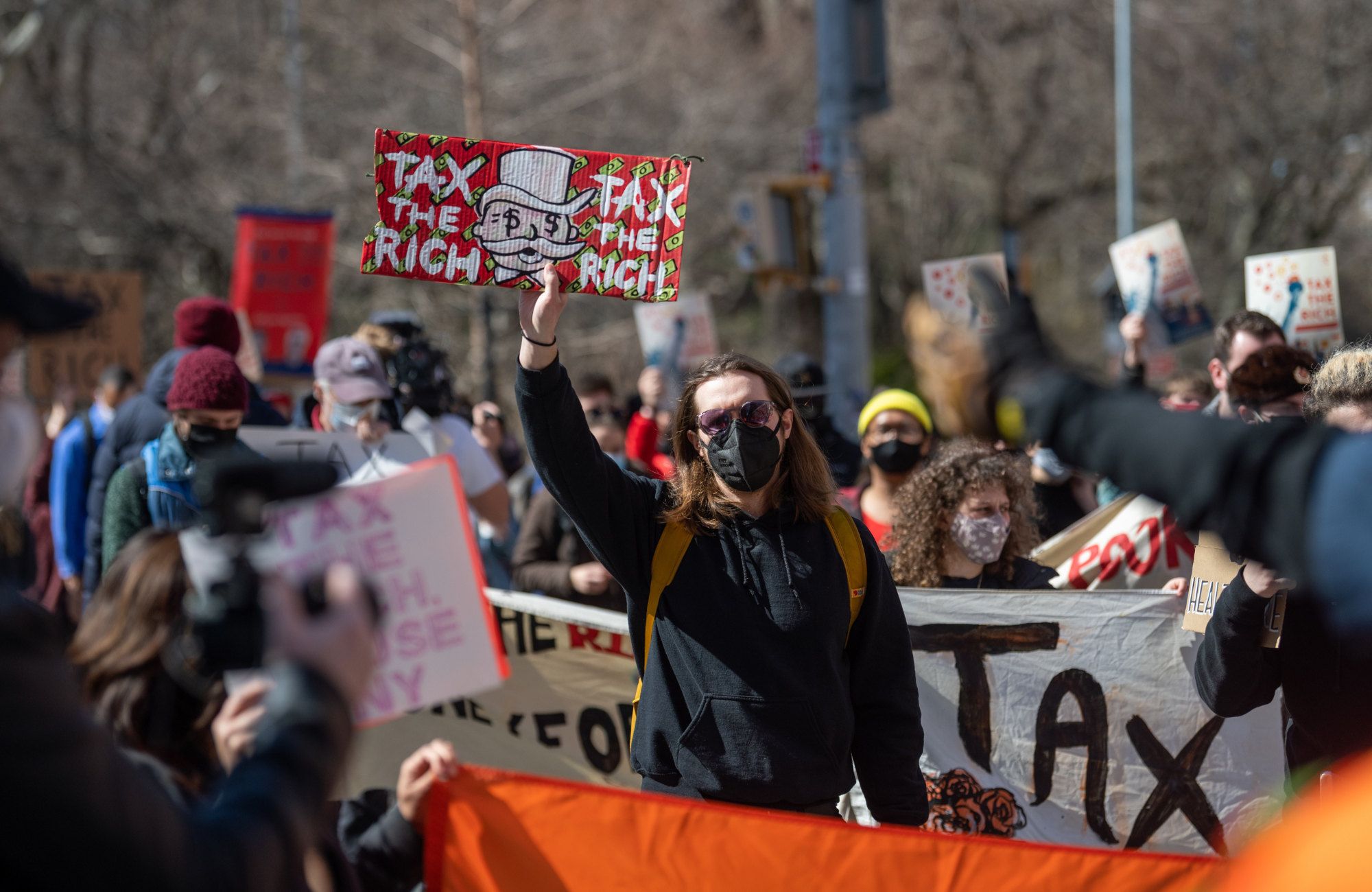
Today, the world's political and business leaders are gathering in Davos for the World Economic Forum 2023. One of the biggest challenges they face is rising inequality. To curb this worrying trend, Oxfam calls on governments and international institutions to introduce a wealth tax for the richest in its report Survival of the Richest.
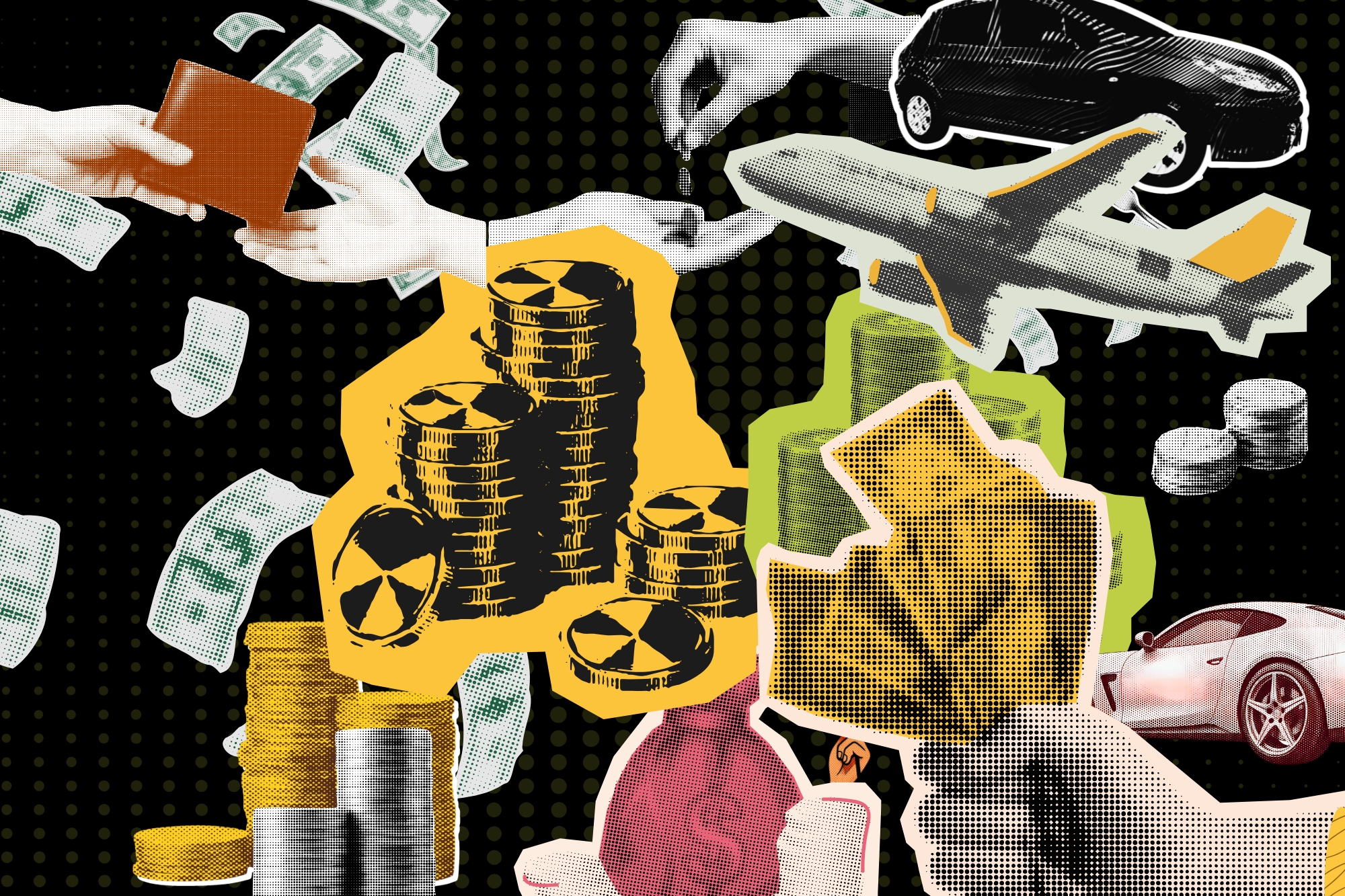
For the first time in 25 years, extreme poverty in the world is increasing. At the same time, two-thirds of all new wealth generated since 2020 has gone to the richest 1% of the world. This is twice as much as was shared by the remaining 99% of the world's population over the same period. Moreover, inequality is increasingly affecting more people - 1.7 billion workers live in countries where inflation is currently rising faster than their wages. Inequality is also on the rise in Sweden. Here, just five people own more than five million Swedes combined.
"The world's wealth, power and influence are extremely unequally distributed. In particular, a huge number of people have almost no assets at all and a few individuals own more than a majority of the world's population. 820 million people - about one in ten - go hungry. At the same time, the fortunes of dollar billionaires are rising by over $2.7 billion a day."
Suzanne Standfast, Secretary General Oxfam Sweden
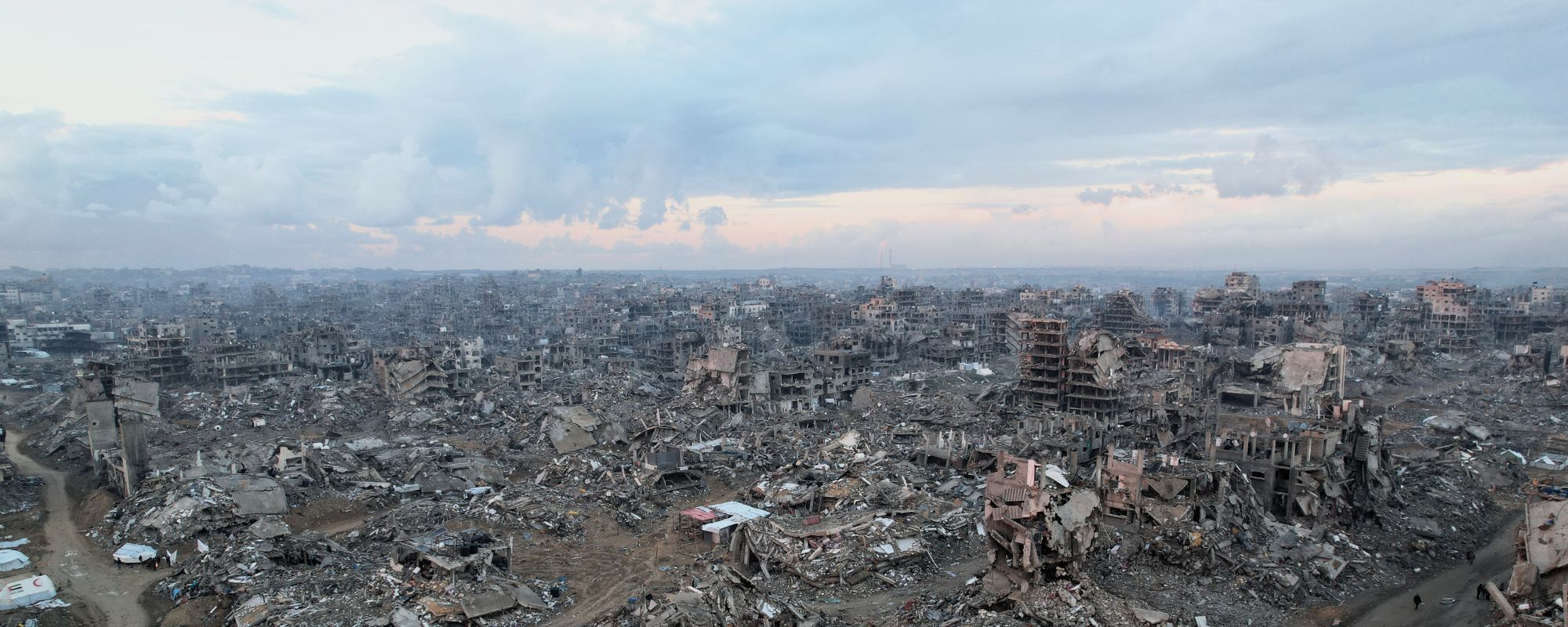
Recent years have been marked by a pandemic, a climate crisis, Russia's invasion of Ukraine, rising food and energy prices and, as a consequence, soaring inflation. In parallel, inequality has increased. In Sweden, where the recession is expected to continue for a few years, the Swedish City Missions report that new and larger groups are appearing at food banks when the money runs out in the middle of the month.
Inequality stands in the way of people realizing their rights. It locks people into poverty and creates insecure, polarized societies where discontent breeds. Oxfam and others want to see a redistribution of financial resources and increased investment in areas such as innovation, research, health, social care and education. Through increased tax revenues, governments around the world could take important steps to fight inequality.
In recent decades, tax rates have fallen for the very richest and for businesses. Instead, the tax burden on those with the least resources has increased. This is because governments have tried to compensate for reduced tax revenues from rich individuals and companies with regressive taxes, such as VAT on goods and services. Such taxes put a higher tax burden on poor people than on rich people.
Oxfam calls on governments and institutions to act now
Oxfam therefore calls on governments and international institutions to implement a permanent tax increase on the top one percent. In addition, Oxfam wants to see a one-off tax on large fortunes and a temporary tax on extraordinary profits for corporations. Governments should also act to stop the widespread tax avoidance and advanced tax planning by large corporations and wealthy individuals. In Sweden, Oxfam wants the government to map and investigate inequality and its consequences. Oxfam also believes that Sweden should provide generous aid, at least one percent of GNI, and in addition, climate financing to countries with widespread poverty and particular vulnerability should increase.
"We live in a world now characterized by polarization and inequality. The human suffering is enormous. But inequality is not a law of nature. It is the result of political action, and we can and must choose to try to stop rising inequality. No single measure is the whole solution, but tax policy is crucial to reducing inequality. That's why we are now calling on governments to increase taxes for the very richest and ensure an end to tax evasion."
Suzanne Standfast, Secretary General Oxfam Sweden
Länken är kopierad