
New report: forced labor and low wages behind citrus fruit sold in Sweden
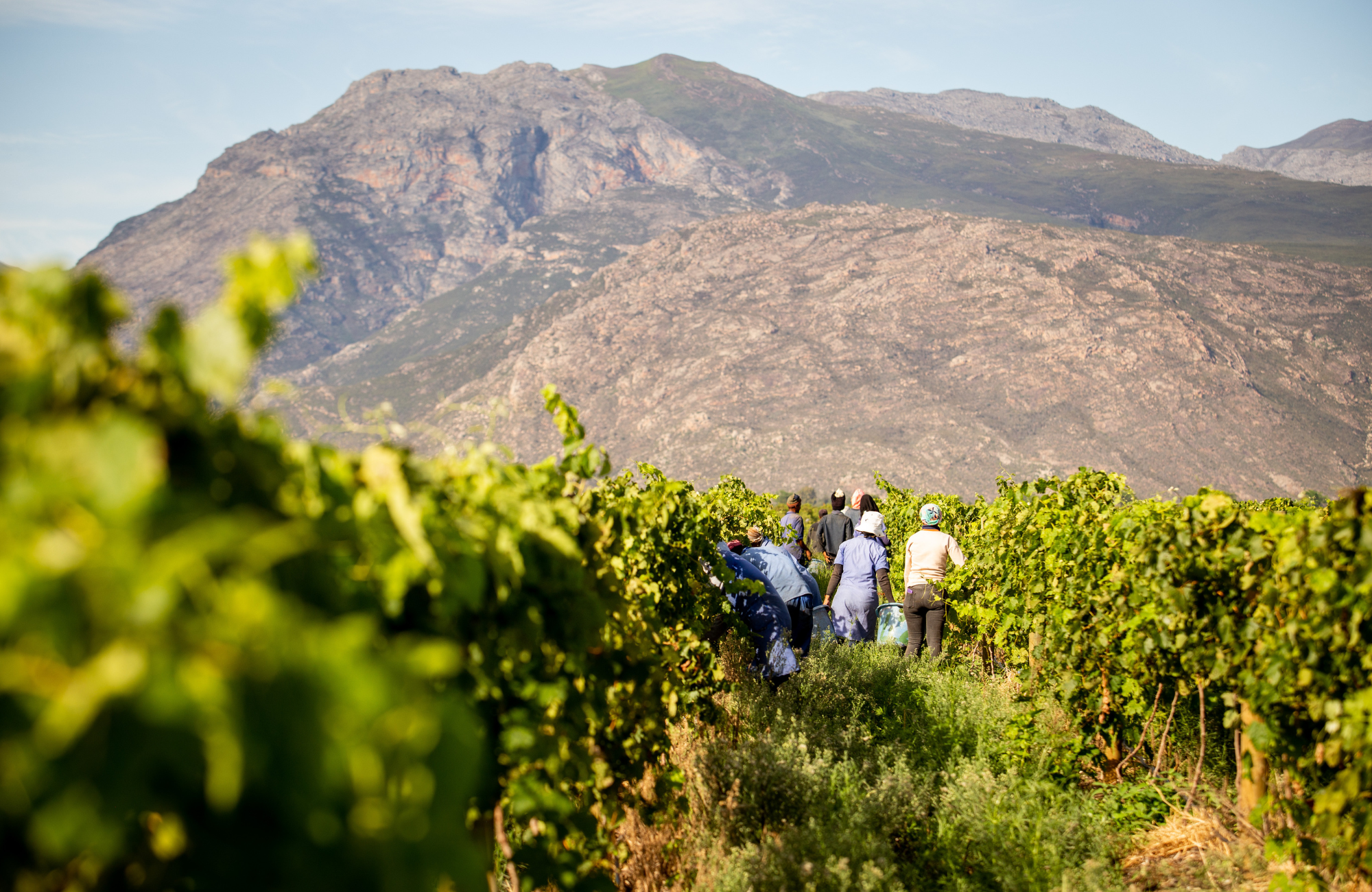
Today Oxfam Sweden publishes a report that shows that behind the citrus fruits sold in Sweden there are extensive human rights violations for those who grow the fruits in Morocco. About a hundred workers have testified about sexual harassment against women, forced labor and low wages. The report was commissioned by Coop Sweden, and Oxfam is now demanding that Coop takes greater responsibility for ensuring that violations do not occur in their supply chain.

The report examined on the ground in Morocco the potential and actual human rights violations faced by workers. The findings are striking: there is strong evidence of slave-like working conditions; many workers lack knowledge of their rights; more than half have to work more than eight hours a day to cover their basic needs due to low wages; female workers report that they expect to be sexually harassed at work.
Oxfam has also analyzed how Coop's own activities contribute to the risks of violations and makes recommendations to the company. Coop and other companies in the industry often contribute to a negative impact on human rights through their procurement processes. Among other things, price pressure is a major concern, with food supply chains characterized by it not being able to cover the actual costs involved in ensuring living wages and good working conditions for workers.
Oxfam is now demanding that Coop takes greater responsibility for preventing violations.
"It was a good first step that Coop Sweden commissioned Oxfam to do this report. We expect them to follow up immediately with a time-bound action plan. Coop Sweden has been voted Sweden's most sustainable brand by its customers four times, this is something that should compel them to act."
Hanna Nelson, Head of Policy, Oxfam Sweden
The action plan must include concrete measures that result in real progress and results for workers. For example, the Coop should review its own purchasing processes and ensure that they do not contribute to risks.
During the audit, Coop stopped buying citrus fruits from Morocco, but the report shows that the shortcomings identified are not limited to one supply chain, and human rights violations are a problem that affects the entire food industry. Therefore, the Coop, and other food companies, need to take greater responsibility to bring about the necessary systemic change:
"Swedish companies cannot limit their sustainability work to climate and environmental issues. Social and economic issues must be prioritized. What is being done today is far from sufficient to guarantee human rights. The result is widespread suffering among the people who produce food for stores around the world."
Hanna Nelson, Head of Policy, Oxfam Sweden
About the report
The methodology used in the report is in line with the UN Guiding Principles on Business and Human Rights which call on companies to avoid human rights abuses and to address adverse human rights impacts in which they are involved. The report has used a range of methods: interviews with workers, group discussion with women workers, roundtables with companies, trade unions, civil society organizations and government representatives.
The report highlights possible serious human rights violations:
- Forced labor
- Sexual harassment and gender discrimination
- Low and precarious wages
- Health and safety risks
- Restrictions on freedom of association
- Lack of effective legal aid
- Unreasonably long working days
It should be noted that the workers interviewed in the audit have not been confirmed as working in the Co-op supply chain. All are workers who may be part of the supply chain. However, there is no evidence to suggest that conditions in the particular Co-op supply chains are different from conditions in the region at large, and we therefore say that the majority of human rights impacts in Co-op's supply chains are potential risks that are highly likely. However, in the case of the lack of access to legal assistance, we can conclude that the risk is a real risk that exists within Coop's supply chains because of the lack of grievance mechanisms in both Coop and its subcontractors.
Länken är kopierad