Hunger in the wake of the coronavirus could kill more than the disease
An additional 122 million people could be on the brink of starvation this year due to the economic impact of the pandemic. By the end of the year, as many as 12,000 people could die every day from hunger in the wake of COVID-19, which could be more than the number of people dying from the virus itself. Meanwhile, the eight largest food and beverage companies are paying out $18 billion to their shareholders.
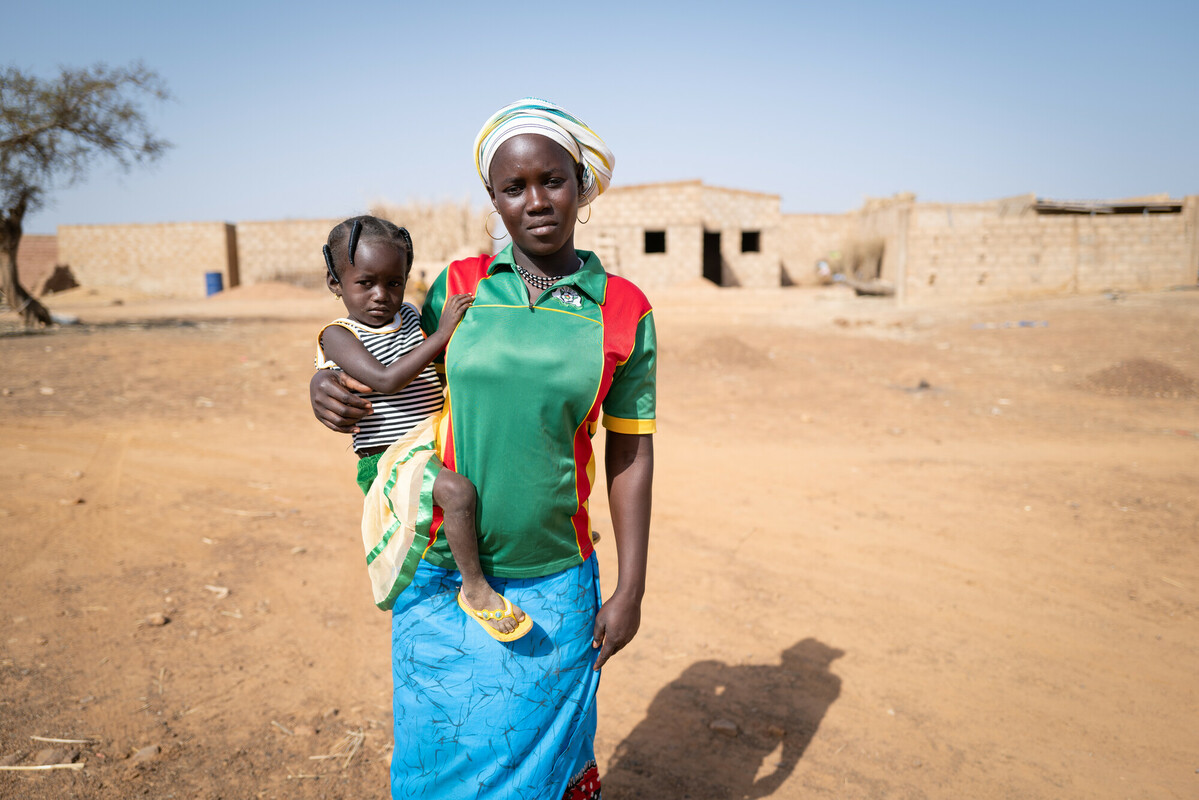
Photo: Sylvain Cherkaoui.
Oxfam's new report, The Hunger Virus, shows that an additional 122 million people could be on the brink of starvation this year due to the social and economic impacts of the pandemic. These include mass unemployment and disruption to food production and supply.
"COVID-19 is the final straw for millions of people already struggling with the effects of conflict, climate change, inequality and a non-functioning food system that has left millions of workers and producers living in poverty. Meanwhile, the people at the top continue to make profits: eight of the largest food and beverage companies have paid out $18 billion to shareholders since January while the pandemic spread across the world - that's ten times more than what the UN says is needed to prevent people going hungry"
Chema Vera, Interim International Director at Oxfam.
The pandemic has exacerbated the food situation in the ten most hunger-stricken places in the world, such as Venezuela and South Sudan. But new epicenters of hunger have also emerged - middle-income countries like India, South Africa and Brazil.
- Brazil
Millions of poor workers have lost their income due to the shutdown. India: Travel restrictions have prevented people from other countries from working during the harvest season, forcing Indian farmers to leave their harvest in the fields where crops are rotting. - Yemen
Money sent to people in the country from relatives and friends abroad has fallen by 80 percent as a result of the mass loss of jobs in the Gulf countries. Closed borders and supply routes have led to food shortages and increased food crises in the country which imports 90 percent of all food. - Sahel
Movement restrictions have prevented herders from moving their animals to new pastures, threatening the livelihoods of millions of people.
Kadidia Diallo, a female dairy farmer from Burkina Faso tells Oxfam:
"Covid-19 is causing us a lot of damage. Giving my children something to eat in the morning has become difficult. We are totally dependent on milk sales and with the market closure we cannot sell anymore. If we don't sell milk, we don't eat."
Women are at greater risk of hunger and have been hit hard by the economic impact of the pandemic, including a dramatic increase in unpaid domestic and care work as schools have closed and family members have fallen ill.
"Governments must stop the spread of this deadly disease, but it is equally important that they act to prevent as many, if not more, people from dying of hunger," said Chema Vera, Oxfam's interim International Director.
Since the start of the pandemic, Oxfam has reached 4.5 million people with food and clean water, working with 344 partners in 62 countries.
Länken är kopierad