

Oxfam to help victims of locust invasion
The locusts that wreaked havoc in Kenya, Somalia and Ethiopia have now spread to northern Uganda and are also threatening Sudan and South Sudan. There are also reports of swarms in Tanzania.
"The atmosphere is panicky and people are trying to make the locusts disappear," said Gezahegn Gebrehana, Oxfam's country director in Ethiopia.
The worst locust crisis in Kenya in 70 years
The swarms are growing and spreading, and if left unchecked, their advance could last until June, creating a devastating situation in already hard-hit areas. 22.8 million people in the six countries are already suffering from severe food shortages due to persistent droughts, floods and storms.

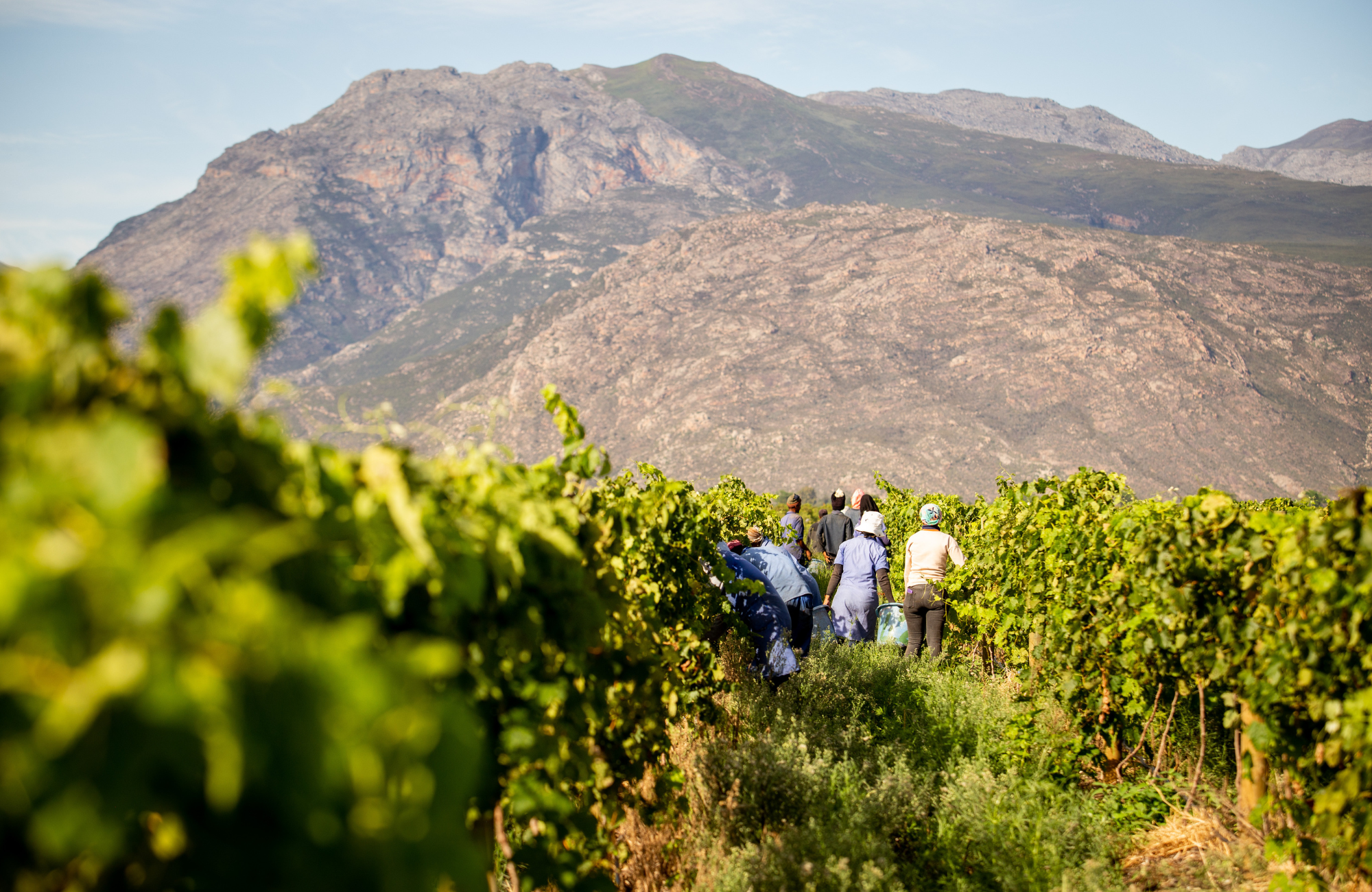
Photo: Sven Torfinn / Oxfam
The climate crisis makes the situation worse
The unusual shifts in weather in the region have allowed swarms of locusts to grow extra large by feeding on crops that do not usually grow during this period. Now they are moving across countries already hard hit by the effects of climate change, leaving behind devastated pastures and farmland.
"We depend on our animals. But if there is no feed, life becomes difficult for us. We are asking for help and it is urgent," says Mohammed Hassan Abdille, a farmer in Bura Dhima, Tana River, Kenya.
Oxfam is working with partners to help those worst affected by the locust invasion. The aim is to reach 190,000 people with cash grants, animal feed, seeds and health care.
Länken är kopierad