

8 out of 10 support taxing the fossil fuel industry
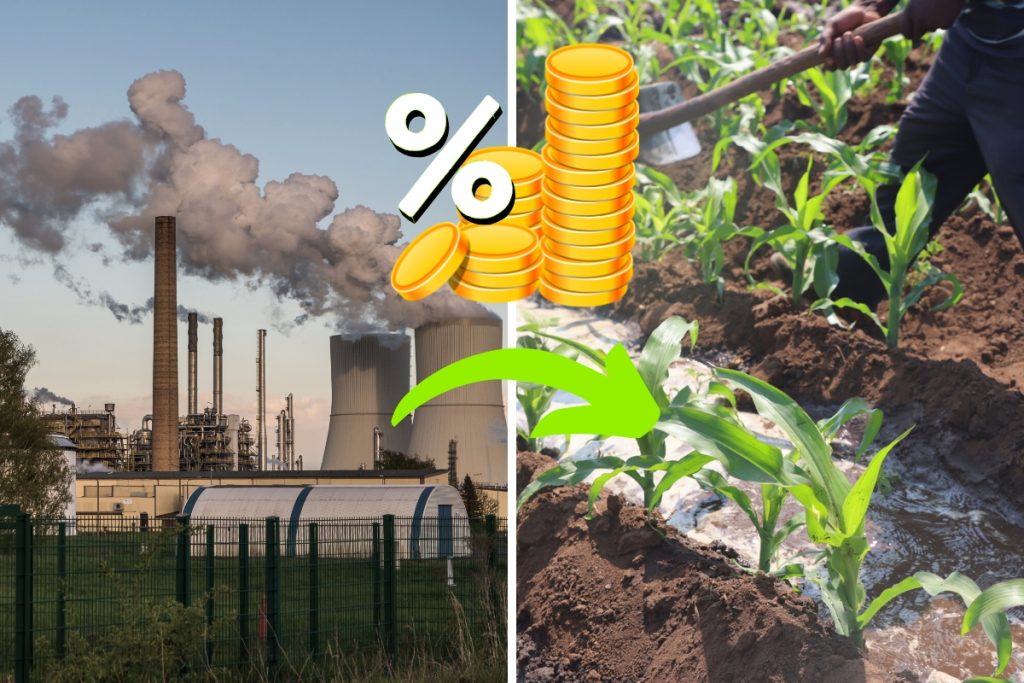
A majority of people want the fossil fuel industry to be taxed for the climate damage it causes, according to a new global survey that shows broad consensus regardless of political affiliation, income level and age. A polluter tax on fossil fuel industry profits could generate over USD 400 trillion a year, paying off rich countries' debt for climate damage in the Global South, new analysis from Oxfam shows.
The survey
During the ongoing UN climate change meetings in Bonn, climate policy priorities are being discussed among government representatives. One issue is the commitment by rich countries, including Sweden, to mobilize at least USD 1.3 trillion annually in climate finance for countries in the global South by 2035.
The survey, commissioned by Greenpeace and Oxfam, shows that:
- 81% of respondents support new taxes on the fossil fuel industry to pay for damage caused by climate disasters such as storms, floods, droughts and forest fires.
- 86% support that the revenues from these taxes go to people most affected by the climate crisis. Climate change disproportionately affects people in countries with widespread poverty, which historically bear the least responsibility for greenhouse gas emissions.
- 68% believe that the fossil fuel industry and the super-rich have a negative influence on politics in their country. 77% say they would be more likely to support a political candidate who prioritizes taxing the super-rich and the fossil fuel industry.
A polluter tax as part of the solution
Meanwhile, a new analysis by Oxfam shows that a polluter tax on the profits of 590 fossil fuel companies could generate over USD 400 billion a year. This sum could cover a large part of the costs of climate damage in countries with widespread poverty.
"Coal, oil and gas companies have known for decades the damage their polluting products are causing to humanity. The companies continue to profit from climate destruction, and their pursuit of profits is destroying the lives and livelihoods of millions of women, men and children, mainly in the Global South who have done the least to cause the climate crisis. Governments must listen to their citizens and hold polluters accountable for their damage."
Amitabh Behar, Chief Executive Oxfam International
585 of the world's largest and most polluting fossil fuel companies made $583 billion in profits in 2024, an increase of almost 70% since 2019. The annual emissions of 340 of these companies (for which data was available) accounted for more than half of global emissions in 2024, according to Oxfam's calculations.
A polluter tax on these profits could generate revenue that high-income countries owe to the Global South, while ensuring that renewable energy becomes more profitable than fossil fuels and encouraging companies to invest in renewables.
" Oxfam's new analysis shows that it is entirely possible for rich countries to meet their climate finance commitments without costing ordinary people. Large resources can be mobilized if we start taxing the fossil fuel industry, and there is broad public support for such a tax. Oxfam believes that Sweden should engage with the UN to secure a fair global tax deal on polluting companies, and introduce other taxes that follow the polluter pays principle, such as a wealth tax on the very rich."
Astrid Nilsson Lewis, Climate Equality Expert Oxfam Sweden
Background
- The survey was conducted by market research company Dynata in May-June 2025 in Brazil, Canada, France, Germany, Kenya, Italy, India, Mexico, the Philippines, South Africa, Spain, the United Kingdom and the United States. Together, these countries represent almost half of the world's population. Full results are available here.
- Context documents of GSCC
- Oxfam's polluter tax on profits model is explained in this blog and methodology note.
Länken är kopierad